Larry Fink: Founder, CEO and Chair of BlackRock
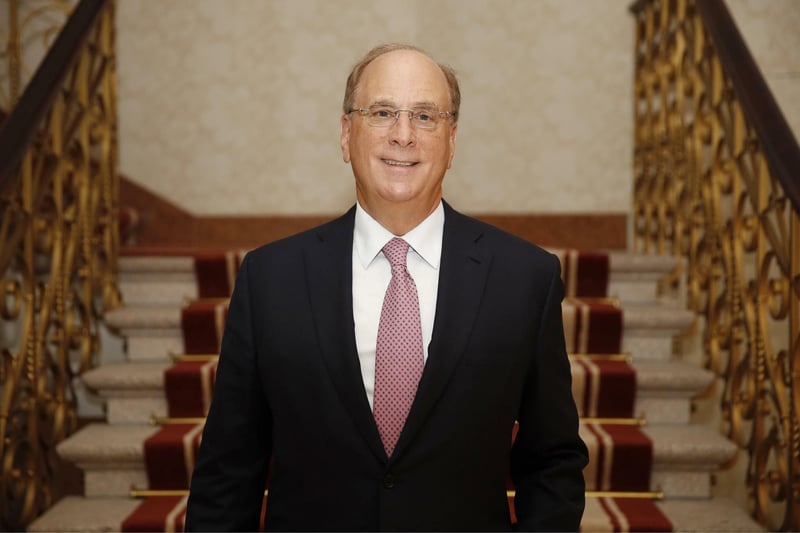
Introduction
Larry Fink is a central figure in global finance as the founder, chairman and chief executive officer of BlackRock. His role matters because BlackRock is widely recognised as one of the world’s largest asset managers and, by the firm’s account, manages more money than any other investment company. Decisions made by Fink and his firm therefore carry significant weight for investors, companies and public policy debates.
Why this is relevant
As capital allocators, large asset managers influence corporate behaviour, investment trends and public conversations on topics from climate to defence. Public statements from Fink and BlackRock’s priorities can affect corporate governance and investor expectations around social and economic issues.
Main body
Career and the rise of BlackRock
Larry Fink co-founded BlackRock in 1988 with seven partners. Sources note the firm was established under the corporate umbrella of The Blackstone Group and that Fink became its director and chief executive. Prior to founding BlackRock, he served as a member of the Management Committee and as a Managing Director at The First Boston Corporation. Under his leadership BlackRock has grown into a global leader in investment and technology solutions, with a stated mission to help clients build better financial futures and to help everyone experience financial well‑being.
Public stance and controversies
Fink has used public letters to chief executives to urge companies to consider their societal impact; a notable example cited is his 2018 annual letter to shareholders. Those positions have not gone unchallenged. Anti‑war organisations criticised Fink after his statements about corporate responsibility because BlackRock, through its U.S. Aerospace and Defense ETF, is identified as the largest investor in certain weapon manufacturers. Separately, reports indicate Mr Fink’s pay rose to $36m in 2021, a figure that has drawn attention amid debates on executive compensation.
Awards and recognition
Fink has received several honours, including the UCLA Medal and the Appeal of Conscience Award. A centre for finance and investments at UCLA Anderson also bears the Laurence and Lori Fink name, reflecting philanthropic and institutional ties.
Conclusion
Given his position at the helm of a dominant asset manager and his public interventions on corporate purpose, Larry Fink is likely to remain a prominent voice in discussions about the role of finance in society. His leadership shapes how capital is deployed and is likely to continue drawing scrutiny from investors, activists and policymakers interested in the social and economic impacts of large institutional investors.

