Large tortoiseshell butterfly: identification, status and conservation
Introduction: why the large tortoiseshell butterfly matters
The large tortoiseshell butterfly (Nymphalis polychloros) is a striking woodland species whose presence indicates healthy tree-lined habitats. Its relevance extends beyond aesthetics: as a part of woodland and riparian ecosystems it contributes to pollination networks and serves as an indicator of habitat continuity and climate-driven shifts in range. For people in the United Kingdom and Europe, understanding this species helps inform local conservation and habitat management choices.
Main details: appearance, lifecycle and distribution
Identification
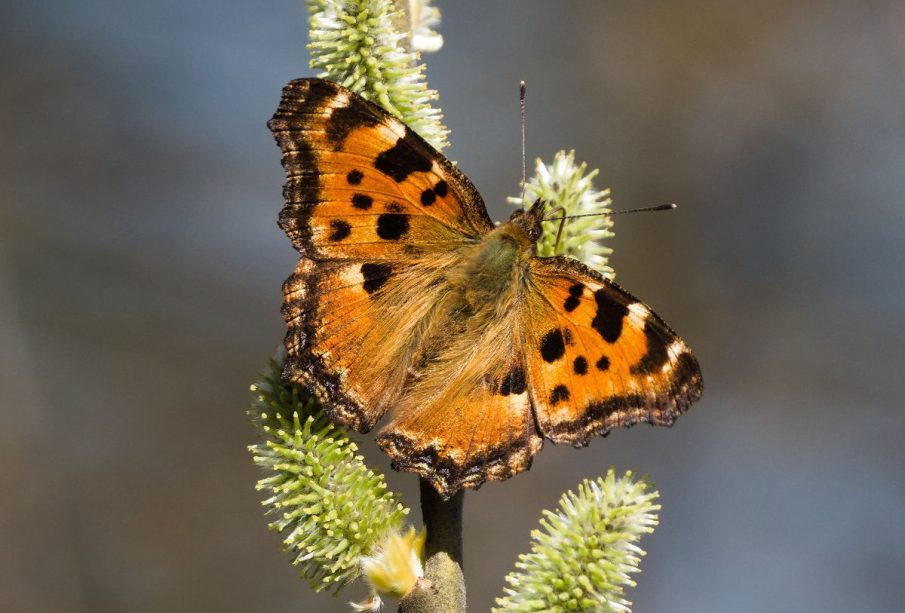
Adults carry a warm orange-brown ground colour with bold dark blotches and a zigzag margin, larger than the more familiar small tortoiseshell. The underside is cryptically patterned, helping the butterfly blend with tree bark when resting. Wingspan ranges broadly but is typically larger than related tortoiseshells.
Lifecycle and host plants
Females lay eggs on the leaves of trees such as willows (Salix), poplars (Populus) and occasionally elms (Ulmus). Caterpillars feed gregariously at first, then disperse as they grow. The species overwinters as an adult in sheltered locations and is active in spring and autumn as well as summer, producing one or sometimes two broods depending on climate.
Distribution and recent status in the UK
Nymphalis polychloros is widespread across much of continental Europe and into temperate Asia. In the United Kingdom it has not been a regular breeding species since the early 20th century, with only occasional migrant or vagrant records in recent decades. Globally it is not considered highly threatened, but regional declines and local absences underline the importance of suitable habitat.
Conclusion: implications and what readers can do
The large tortoiseshell butterfly highlights how woodland management and host-tree availability shape insect communities. For gardeners, landowners and conservationists, actions that benefit the species include retaining or planting willow and poplar, preserving hedgerows and allowing dead wood and sheltered overwintering sites. Monitoring sightings can help track any natural recolonisation, especially as shifting climates may alter its range. While not currently a widespread resident in the UK, the species remains an important symbol of healthy tree-rich landscapes and a reminder of the value of habitat connectivity.

