Keith Flint: The Prodigy Frontman and Cultural Impact
Introduction
Keith Flint remains one of the most recognisable figures in late 20th‑century electronic music. As the fiery frontman of The Prodigy, his image and vocal performances helped bring electronic dance music into mainstream rock consciousness. Understanding Flint’s career and the response to his death is important for readers interested in music history, cultural influence and conversations around mental health in the arts.
Main body
Early life and rise to prominence
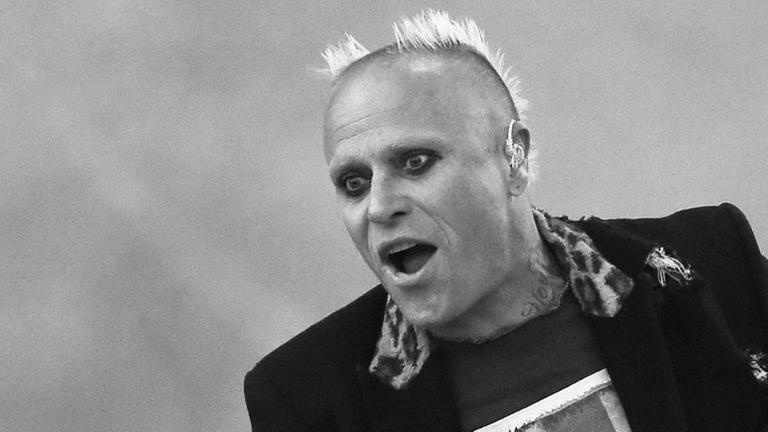
Keith Charles Flint was born on 17 September 1969 in Redbridge, London. He joined The Prodigy in the early 1990s, initially as a dancer before taking on lead vocal duties. Flint’s snarling delivery and confrontational style helped define singles such as “Firestarter” and “Breathe,” both key tracks on the band’s global breakthrough album, The Fat of the Land (1997). His punk‑inspired look — including the iconic spiked hair of the mid‑1990s — made him a visual shorthand for the band’s aggressive, genre‑blending sound.
Career highlights and side projects
With The Prodigy, Flint performed at major festivals and on international tours, contributing to the group’s reputation as one of the most energetic live acts of their era. He also pursued side projects and collaborations that allowed him to explore different musical styles beyond the band’s core sound. Throughout his career he remained closely associated with the crossover of rave, punk and rock influences that characterised much of 1990s alternative music.
Death and aftermath
On 4 March 2019, Keith Flint was found dead at his home; he was 49. An inquest later concluded that he died by suicide. His passing prompted an outpouring of tributes from fans, fellow musicians and the wider public, and renewed discussion about mental health support for artists working under intense public pressure.
Conclusion
Keith Flint’s legacy is multifaceted: he helped bring a raw, rebellious energy to electronic music and left an indelible mark on popular culture. For readers today, his story is both a record of artistic influence and a reminder of the human costs that can accompany fame. Flint’s work with The Prodigy continues to be listened to and debated, and his life has contributed to ongoing conversations about wellbeing, creativity and support for performers in the music industry.


