Is Turkey in NATO? Membership, Role and Strategic Balancing
Introduction: Why Turkey’s NATO Membership Matters
The question “is Turkey in NATO” touches on issues of European and regional security, alliance cohesion and global geopolitics. Turkey’s role in NATO affects defence postures in the eastern Mediterranean, Black Sea and Middle East, and informs how the alliance manages relations with Russia, China and emerging groupings such as BRICS and the Shanghai Cooperation Organisation (SCO).
Main body
Turkey’s NATO membership and historical context
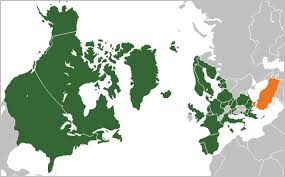
Turkey became a member of the North Atlantic Treaty Organisation on 18 February 1952. Since accession, NATO has been described as the cornerstone of Turkey’s defence and security policy. Its strategic location and military capabilities have made Turkey a significant ally within the alliance, contributing to collective defence and regional stability.
Contemporary dynamics: alliance commitments and diversification
Turkey remains an active NATO member, but recent years have seen Ankara pursue a more diversified foreign policy. President Recep Tayyip Erdoğan has developed lines of dialogue with a range of global actors, including a relatively cordial relationship with Russia, and has expressed interest in closer ties with BRICS and the SCO. These moves have prompted discussion among NATO partners about Ankara’s trajectory.
Alliance conversations and public commentary
At NATO summits — most recently planned meetings such as the one in Washington, DC — Turkey’s role is a recurring topic. Ankara often uses these forums to reaffirm its commitment to the alliance while signalling its broader strategic priorities. Some commentators online, including threads on platforms such as Reddit, have framed Turkey’s continued NATO membership in practical terms: Turkey is a functioning military ally, while many alliance members rely significantly on US security guarantees.
External perspectives
Analysts offer nuanced readings of Turkey’s posture. Cagdas Ungor, a professor of international relations at Marmara University, has suggested that closer relations between Turkey and countries such as China may offer those partners a public relations opportunity, showing that a NATO country is engaging with both BRICS and Western institutions.
Conclusion: Significance and outlook
In short, Turkey is in NATO and remains an influential member. Its balancing act — upholding alliance obligations while deepening non-Western ties — will shape NATO discussions going forward. For readers, the key takeaway is that Turkey’s membership continues to matter for regional security and for how the alliance adapts to a multipolar international environment.


