International Women’s Day: Why the Annual Campaign Still Matters
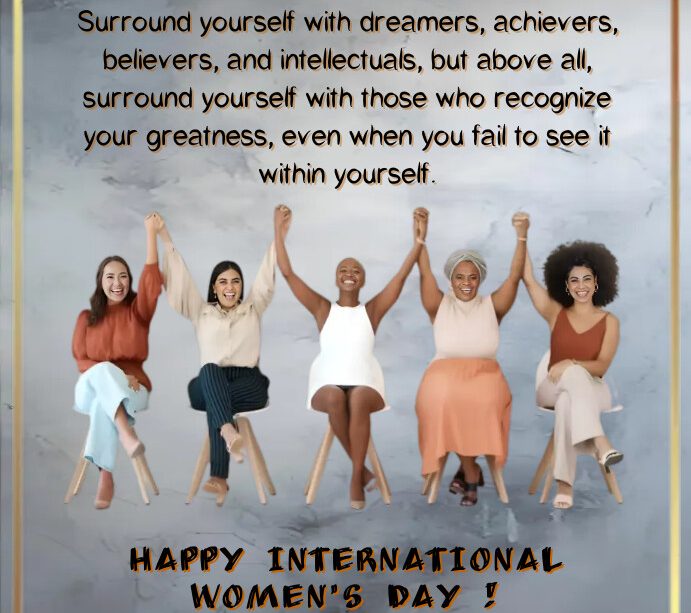
Introduction: Why international women’s day matters
International Women’s Day, observed each year on 8 March, is a focal point for discussions about gender equality, women’s rights and social progress. Its relevance spans civic, political and corporate spheres: governments, NGOs and businesses use the day to highlight achievements, identify persistent gaps and mobilise action. Understanding the origins and contemporary role of international women’s day helps readers grasp why it remains a key date on the global calendar.
Main body: Origins, themes and current practice
Historical background
The day traces its roots to early 20th-century labour movements in Europe and North America, where women campaigned for better working conditions, suffrage and social protections. In 1975 the United Nations began celebrating International Women’s Day, cementing its place as a recognised global observance. Over time the day has broadened from labour and suffrage issues to encompass a wide range of gender-related concerns.
Contemporary themes and events
Today international women’s day is marked by conferences, demonstrations, policy briefings and cultural events. Common themes include closing the gender pay gap, increasing women’s political and corporate representation, addressing gender-based violence, and ensuring access to health and education. Campaigns range from grassroots rallies to digital awareness drives using hashtags and multimedia content. Organisations often release reports or pledges tied to these themes, while media coverage amplifies calls for accountability.
Who participates and why it matters
Participation is broad: activists, employers, public institutions and individuals all take part. For businesses, the day can be an opportunity to publicise diversity and inclusion commitments; for civil society it is a platform to press for legal and cultural change. For many people it is a moment to reflect on progress achieved and the work that remains.
Conclusion: Outlook and significance for readers
As a recurring international observance, international women’s day continues to drive conversation and action around gender equality. While progress is uneven across countries and sectors, the day helps sustain momentum—encouraging policy attention, corporate reform and community engagement. Readers can use 8 March as a prompt to learn, support local initiatives or advocate for tangible changes such as pay transparency, violence prevention measures and greater representation in leadership. The day is both a celebration and a reminder that sustained effort is needed to achieve lasting equality.