International Womens Day 2026: Rights for All Women and Girls
Introduction: Why International Women’s Day Matters
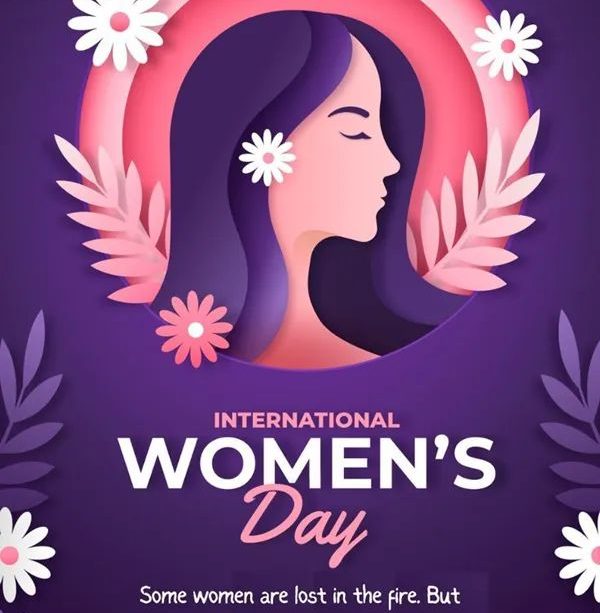
International Women’s Day on 8 March is a global day recognising the social, economic, cultural and political achievements of women. Beyond celebration, the day serves as a rallying point and a call to action: to highlight persistent inequalities and to demand equal rights and access to justice for women and girls worldwide. In 2026, the theme from UN Women, “Rights. For ALL Women and Girls.”, places equal justice at the centre of that call.
Main developments and context
UN Women 2026 theme and objectives
UN Women frames International Women’s Day 2026 as a moment to “rally with women and girls around the world to demand equal rights – and equal justice to enforce, exercise, and enjoy those rights.” The campaign emphasises dismantling structural barriers including discriminatory laws, weak legal protections and harmful practices and social norms that continue to erode the rights of women and girls. The aim is to promote inclusive and equitable legal systems and stronger protections.
International and intergovernmental engagement
The 2026 observance links to discussions at CSW70, the intergovernmental forum where Member States, United Nations entities and civil society will negotiate conclusions on “Ensuring and strengthening access to justice for all women and girls, including by promoting inclusive and equitable legal systems, eliminating discriminatory laws, policies, and practices, and addressing structural barriers.” This alignment underlines how International Women’s Day can amplify priorities being debated at international fora.
Historical background
International Women’s Day has a long history of activism. Early 20th-century events and imagery, such as a German poster from 1914, reflect its roots. Prominent moments since include a women’s march in Madrid led by Dolores Ibárruri in 1936, the founding of the Congress of American Women on International Women’s Day in 1946, and the start of large-scale marches in Australia from 1972. These milestones illustrate the day’s enduring role in organising and advocating for women’s rights.
Conclusion: Significance and outlook
International Women’s Day 2026 centres on equal rights and justice, connecting grassroots action with intergovernmental negotiation. For readers, the day is both a reminder of progress made and a prompt to focus on legal and social reforms that remove barriers to justice. The emphasis on dismantling discriminatory laws and norms is likely to shape public debates, advocacy priorities and policy discussions through the year.


