Inside the Lowest Scoring Super Bowl: How Super Bowl LIII Played Out
Introduction: Why the lowest scoring Super Bowl matters
The phrase “lowest scoring Super Bowl” conjures surprise because the championship game is typically a showcase for offence, star quarterbacks and highlight plays. Super Bowl LIII, played on 3 February 2019, stands out as the lowest scoring in the event’s history. Its outcome forced fans, analysts and teams to reassess the balance between offence and defence on football’s biggest stage and highlighted how game plans and execution can override regular-season narratives.
The importance of the contest
Beyond the final score, the game carried heavy historical and organisational significance: it decided a sixth title for the New England Patriots and further cemented the legacies of key figures involved.
Main body: The facts and how the game unfolded
The game at a glance
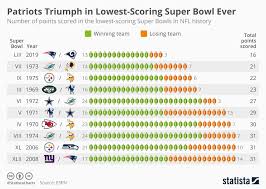
Super Bowl LIII was contested between the New England Patriots and the Los Angeles Rams at Mercedes‑Benz Stadium in Atlanta. The Patriots won 13–3, a combined total of 16 points — the fewest in Super Bowl history. Tom Brady and Jared Goff started at quarterback for the Patriots and Rams respectively, with Bill Belichick and Sean McVay as head coaches. Julian Edelman was named Super Bowl MVP for his critical receptions that sustained drives and set up scoring.
Defensive battle and key moments
Both teams entered the game with strong offensive credentials during the season, but the championship played out as a defensive struggle. Defences limited explosive plays, pressured quarterbacks at pivotal moments and forced conservative play-calling. The Patriots produced the game’s only touchdown late in the fourth quarter to seal the victory; the Rams managed a single field goal. The contest featured long stretches of field position battles rather than sustained offensive flair.
Conclusion: Significance and what it means for readers
Super Bowl LIII’s status as the lowest scoring Super Bowl underlines that championships are often won by the team that best executes situational football under pressure. For coaches and players the lesson was clear: defence, discipline and adaptability can dominate even against high-powered offences. For fans and broadcasters, the game provoked debate about entertainment value versus pure competitive merit. In the longer term, the result reinforced New England’s dynasty, delivering a sixth Super Bowl title for the Patriots and adding to Tom Brady and Bill Belichick’s legacy.

