Ice Hockey at the Olympics: What Fans Should Know
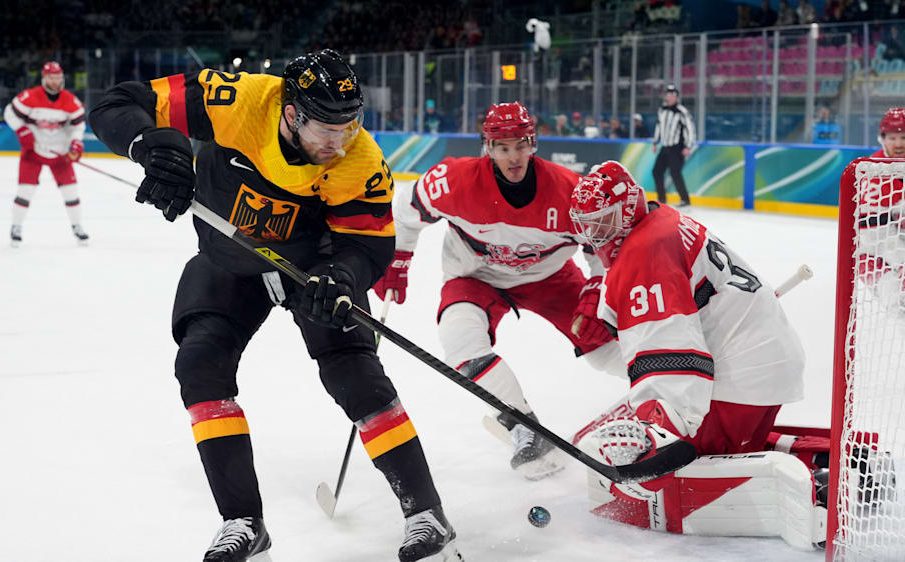
Introduction: Why the ice hockey Olympics matter
Ice hockey at the Olympics is one of winter sport’s most visible and emotionally charged competitions. The tournament combines national pride, elite-level competition and the opportunity for players from different leagues and backgrounds to meet on a single stage. For fans, the Olympic ice hockey tournaments often provide memorable moments that shape international rivalries and influence the sport’s development at grassroots and professional levels.
Main body: History, format and current trends
Historical context
Ice hockey first appeared at the Olympic Games in 1920 and has been a core feature of the Winter Olympics since the inaugural Winter Games in 1924. Over decades, the tournament has showcased shifts in playing styles and the rise and fall of national programmes. Traditional powers such as Canada, the United States, Sweden, and teams from the former Soviet Union have played major roles in shaping Olympic competition.
Tournament format and categories
The Olympic ice hockey competition typically comprises separate men’s and women’s tournaments. The women’s tournament was introduced in 1998, expanding the Games’ role in promoting gender equity in the sport. Formats can vary by edition, but tournaments usually include a group phase followed by knockout rounds, culminating in medal games. Rosters bring together players from professional, semi-professional and national development systems.
Trends and implications
The Olympic stage affects coaching approaches, talent pathways and international scheduling. Performances at the Games can boost funding and participation at national level, while standout players often see increased recognition. The event is also a testing ground for rule interpretations and officiating standards that can later influence domestic leagues and international competitions.
Conclusion: Significance and outlook for readers
For supporters and aspiring players, the ice hockey Olympics remain a key indicator of where the sport is heading internationally. The tournament highlights emerging talent, consolidates rivalries and often accelerates investment in national programmes. Looking ahead, the Olympics will continue to shape coaching priorities and inspire the next generation of players — offering short-term drama and long-term influence on the sport worldwide.


