How Shahed drones are reshaping modern air‑defence conflicts
Introduction: Why shahed drones matter
Shahed drones have become a focal point in contemporary conflicts because they are inexpensive, simple to manufacture and effective at degrading air defences. Their growing use by Iran and Russia has implications for military strategy, civilian safety and the economics of air-defence operations. Understanding how these unmanned aerial vehicles (UAVs) are produced, disguised and deployed helps explain why they are forcing changes in defence planning.
Main developments and verified facts
Production, disguise and allegations of labour abuse
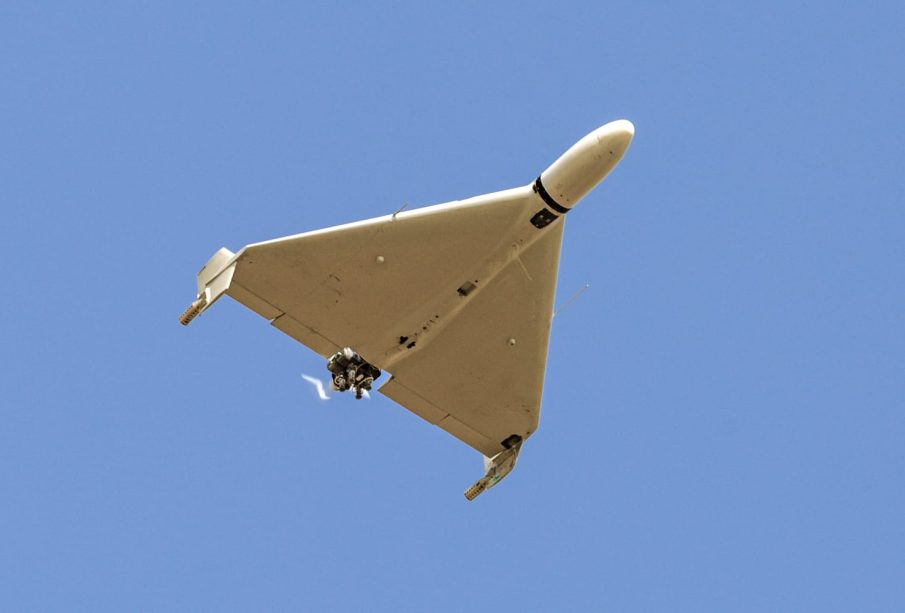
Shahed drones are manufactured in Iran and — building on Iranian designs — in Russia. In July 2025 multiple reports, including a documentary broadcast by the Russian defence ministry channel Zvezda, indicated that Russia had used children and teenagers to assemble Shahed drones destined for strikes on Ukraine. Some wings were inscribed “M412 Герань-2” (M412 Geran-2) in an apparent attempt to disguise Iranian involvement; analysts and Ukrainian officials note the wing design identifies them as redesignated Iranian-made Shahed 136 drones.
Cost dynamics and interception
International reporting describes the Shahed-136 as cheap and battle-tested. Data shared by the United Arab Emirates’ Defence Ministry indicates hundreds of Shahed launches at the Gulf state, with just over 90% intercepted. Analysts estimate a significant cost asymmetry: roughly $1 to manufacture a Shahed versus about $20–$28 for each interception by UAE defences, illustrating the economic strain on defenders.
Saturation tactics and operational impact
Russia has used large numbers of Shahed drones to saturate Ukrainian air defences and erode morale through persistent nightly attacks. Observers characterise this as a shift toward attrition warfare that relies on quantity to overwhelm layered defences. Ukraine’s success with electronic warfare and other countermeasures shows value in diversified responses, but analysts warn that without expanded, cost-effective defences and efforts to disrupt component supply chains the strategy could change the operational balance.
Conclusion: What to expect and why it matters
Shahed drones are likely to remain a feature of regional conflicts. Their low cost and mass-production potential mean defenders must prioritise layered, affordable countermeasures — including electronic warfare, improved interception economics and emerging technologies such as high-energy lasers. For policymakers and the public, the immediate significance is strategic and fiscal: defending against cheap drones is expensive, and addressing their proliferation will require coordinated interdiction of supply chains and investment in more resilient air-defence systems.