How old is Trump? Understanding his age and its political relevance
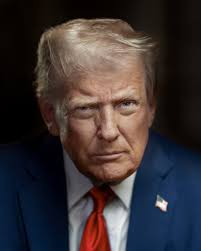
Introduction: Why Trump’s age matters
Questions about a leader’s age often become political and personal — affecting public perception, media scrutiny and voter decisions. Knowing how old Donald J. Trump is and why that matters remains relevant as commentators, opponents and supporters consider how age might influence performance in office and public life.
Key fact
According to published biographical information, Donald J. Trump was born on 14 June 1946 in New York City. That birth date makes him 79 years old as of January 2026, and he will turn 80 on 14 June 2026.
Main body: Background and public debate
Business and early life
Biographical sources note Trump’s roots in a family property business. His father, Fred Trump, built hundreds of single-family houses and row houses in Queens and Brooklyn from the late 1920s, later moving into large apartment projects. Donald Trump expanded the family business beginning in the 1970s, shifting geographic focus toward Manhattan and, subsequently, Atlantic City, New Jersey.
Legal and public milestones
Public records and historical reporting cite legal challenges during that era: in 1973, Fred and Donald Trump and their company were sued by the U.S. Justice Department for alleged violations of the Fair Housing Act in the operation of multiple apartment buildings in New York City. That episode is part of the broader public record surrounding Trump’s business career and reputation.
Age and capacity debates
Commentators have highlighted Trump’s advanced age in recent coverage. One analysis observed: “The pertinent question is whether Trump’s advanced age has changed anything about how he does his job.” That comment encapsulates the central public debate — not merely how old he is, but whether age affects cognitive or physical capacity, decision-making and day-to-day performance.
Conclusion: What readers should take away
Donald Trump’s age — 79 in January 2026 — is a clear, verifiable fact derived from his birth date. Equally clear is that age has become part of wider public and political discussion about fitness for office. For readers, the immediate implication is to separate the factual detail of age from broader questions about capability: age alone does not determine fitness, but it does shape discourse and scrutiny. As debates continue, observers and voters will likely watch for evidence-based assessments rather than assume effects based solely on years lived.


