How Downdetector Tracks Service Outages in Real Time
Introduction
In an increasingly connected world, fast and transparent information on internet service interruptions matters to both individuals and businesses. Downdetector has become a widely used reference for identifying when popular websites, apps and networks experience problems. Its role is relevant because downtime can disrupt commerce, communication and public services; timely awareness helps users adapt and organisations respond.
Main body
What Downdetector does
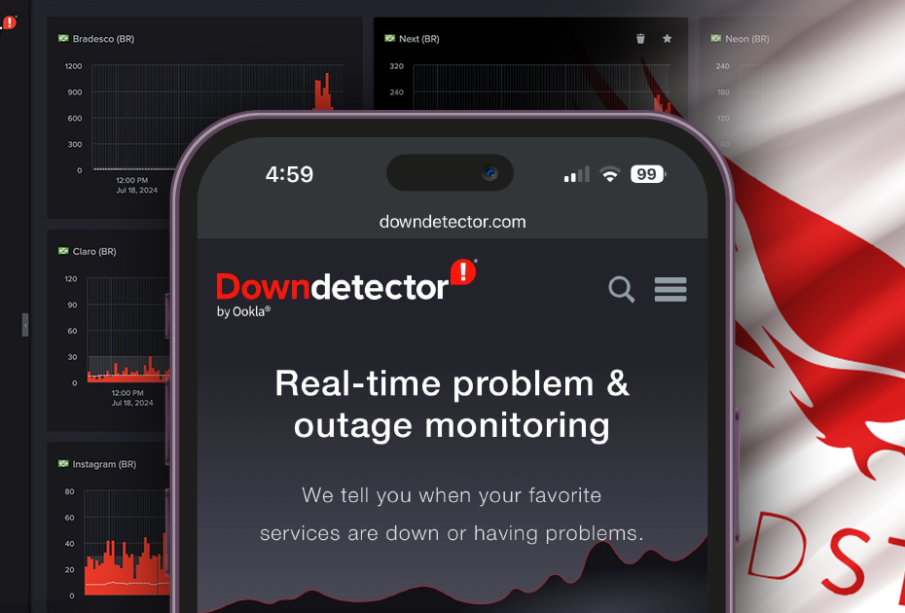
Downdetector aggregates user-submitted reports and other indicators to present near real-time views of outages for hundreds of online services. Visitors can see whether a reported problem is isolated or part of a wider event, review a time-based graph of incident reports and read a feed of user comments describing symptoms. The service covers a broad range of platforms — from social media and streaming providers to broadband and mobile networks.
How it works and its strengths
The core strength of Downdetector is speed: crowd-sourced reports often flag problems before official statements are issued. Visual timelines and map-based overlays help users and journalists gauge the scale and geography of an incident. For consumers, it is a practical first step to check whether a service issue is local or widespread; for organisations it provides situational awareness that can inform customer communications and technical triage.
Limitations and interpretation
Users should interpret Downdetector data with caution. Because it relies largely on user reports and automated triggers, it can produce false positives or be skewed by spikes in reporting from active user communities. It is not an official status dashboard for service providers and should be used alongside provider updates and technical diagnostics.
Conclusion
Downdetector plays a useful public-facing role in modern digital resilience by surfacing outage patterns quickly and accessibly. While it is not a substitute for provider confirmations or forensic incident analysis, it helps users decide next steps and prompts organisations to communicate and investigate promptly. As dependency on online services grows, tools like Downdetector are likely to remain important for transparency, rapid reporting and improving response times to service disruptions.