Gary Neville: From United Right-Back to Salford City Co-Owner
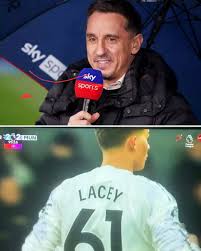
Introduction: Why Gary Neville matters
Gary Neville is one of the most recognisable figures in modern English football. As a one-club Manchester United player, a long-serving right full-back and later a public figure involved in football ownership and campaigning, his career and post-playing activities remain relevant to fans, club historians and those following the game’s off-field developments. Understanding Neville’s trajectory offers insight into player loyalty, leadership and the transition from elite playing career to wider involvement in the sport.
Main body: Career highlights and post-playing activities
Playing profile and Manchester United career
Gary Alexander Neville was born on 18 February 1975 in Bury, England. Standing 180 cm tall and weighing 77 kg, he played primarily as a right full-back (DF, FB). Neville made his Manchester United debut almost 20 years before announcing his retirement on 2 February 2011. During a distinguished career at Old Trafford he symbolised club loyalty and defensive consistency.
Captaincy and honours
Neville realised a lifelong dream when he became the fifth Manchester United captain to lift the Premier League trophy, following Bryan Robson, Steve Bruce, Eric Cantona and Roy Keane, after United’s 2006/07 triumph. Although an injury prevented him taking part in United’s Double success in 2008, he added to his honours with an eighth Premier League winners’ medal in 2009. He also collected a second Carling Cup winners’ medal in 2010, coming on as a substitute in the Wembley final against Aston Villa.
Recognition and later initiatives
Neville’s contributions to the game have been recognised with inclusion in Premier League discussions and Hall of Fame consideration. After retiring, he remained active in football’s business and community spheres: in 2014 Neville joined fellow Manchester United legends Ryan Giggs, Paul Scholes, Nicky Butt and Phil Neville in a consortium to purchase Salford City, with the ambition of progressing the club into the Football League. He has also spoken publicly about collaborative campaigns involving Manchester United, Snapdragon and (RED) aimed at addressing health injustice.
Conclusion: Legacy and significance
Gary Neville’s career is notable for on-field achievement, club leadership and a clear move into ownership and public advocacy. For readers, his story illustrates how elite players can leverage their experience and profile beyond retirement — influencing smaller clubs, contributing to charity partnerships and shaping discussions about the sport’s social responsibilities. Neville’s honours, captaincy and continued engagement with football ensure his ongoing relevance to the game.


