Freemasons: History, Community Role and Contemporary Debates
Introduction: Why Freemasons matter today
The Freemasons are one of the oldest and most recognised fraternal organisations in the world. Originating from medieval stonemasons’ guilds and formalising in the early 18th century, the group continues to attract public interest because of its traditions, charitable work and long-standing reputation for privacy. Understanding the Freemasons is relevant to readers interested in civic life, local philanthropy and the role of voluntary associations in contemporary society.
Main body: Origins, activities and controversies
Historical background
Freemasonry moved from operative craft lodges to a more symbolic or speculative organisation during the 17th and 18th centuries. The first known Grand Lodge was established in London in 1717, setting the pattern for governance and ritual that spread across Europe and the wider world. Lodges developed rituals, regalia and a system of degrees drawing on allegory and moral instruction.
Community and charitable work
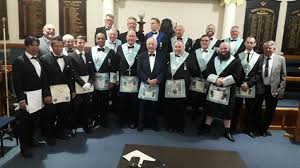
Freemasons today operate at local lodge level as well as through national and international bodies. Much of their public activity focuses on charitable fundraising, support for local causes, education grants and care for veterans and the elderly. In many communities lodges remain a source of local volunteering and social cohesion.
Secrecy, transparency and public debate
The society’s private meetings, symbols and membership practices have prompted scrutiny and occasional controversy. Critics cite concerns about undue influence or lack of transparency in public life, while supporters argue that lodges are private associations that uphold charitable and ethical aims. Over time, many Grand Lodges have sought to increase openness about their charitable work and public aims without abandoning ritual traditions.
Conclusion: Significance and outlook
Freemasonry retains cultural and historical significance even as its membership and public profile have evolved. The organisation faces common challenges for voluntary associations in the 21st century: attracting younger members, adapting to digital communication and responding to calls for transparency. For readers, the ongoing relevance of Freemasons rests in their local charitable contributions and the broader conversation about how traditional societies adapt to contemporary expectations of openness and civic engagement.