Fire Erupts on Sanctioned Russian LNG Tanker Arctic Metagaz
Introduction
The reported attack and subsequent fire aboard the sanctioned russian lng tanker arctic metagaz has drawn international attention because it touches on maritime security, enforcement of sanctions and the stability of global energy supplies. Incidents involving vessels linked to sanctioned Russian energy projects are significant for governments, traders and insurers tracking how geopolitical pressure affects shipping routes and energy markets.
Main body
Incident details
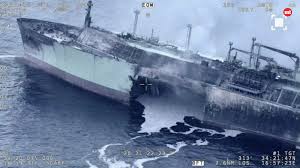
On 3 March, the Russian‑flagged liquefied natural gas (LNG) carrier Arctic Metagaz (IMO 9243148) caught fire in the Mediterranean Sea following a reported drone strike that breached the vessel’s hull. Reports placed the ship approximately 20 nautical miles east of Malta, navigating between Malta and Libya at the time of the incident. Maritime security sources and tracking platforms indicated the vessel was burning; Maltese armed forces later reported that the crew had been located safe in a lifeboat within Libya’s search‑and‑rescue region.
Sanctions and cargo links
The Arctic Metagaz is under extensive international sanctions, including measures from the United States and the United Kingdom. Ukrainian military intelligence has stated that the vessel has been used to transport LNG from the sanctioned Arctic LNG‑2 project to the Beihai terminal in China, a link that helps explain why the ship has been identified as a target in efforts to enforce the global sanctions regime aimed at limiting Russia’s energy revenues.
Response and market context
Authorities and maritime responders reported the crew’s safe evacuation, and the incident has been monitored by regional coastguard and security services. Media accounts noted market reactions to the event, with reports that investors and some producers were reacting to shifting supply‑risk perceptions. The episode also follows prior online activity related to shadow‑fleet vessels: earlier publicity included a reported €500,000 reward posted online for information on the location of a sanctioned oil tanker (IMO 9264881) linked to shadow‑fleet movements of Russian and Iranian oil.
Conclusion
The fire aboard the Arctic Metagaz underscores the intersection of sanctions enforcement, maritime security and energy markets. In the near term, the priority is assessing environmental and navigational risks and the full extent of any damage. Longer term, such incidents may prompt tighter monitoring of sanctioned vessels and influence insurers, charterers and traders weighing the risks of shipping energy cargoes linked to sanctioned projects.