Fallout: Prime Video’s Adaptation of the Game Franchise
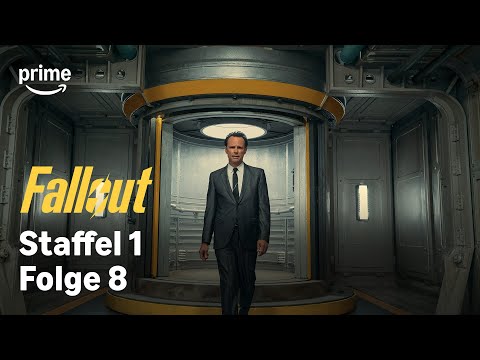
Introduction: Why Fallout matters
Fallout, an American post‑apocalyptic drama now on Amazon Prime Video, adapts one of the most recognisable video‑game universes for television. The series is significant both for fans of the long‑running Fallout franchise and for observers of video‑game adaptations, a format that recently gained wider acclaim with projects such as The Last of Us. The adaptation’s development and reception speak to broader debates about fidelity, creative ambition and the commercial appeal of translating interactive worlds to the screen.
Main body: Creation, pedigree and franchise roots
Production and creative team
The television series was created for Prime Video by Graham Wagner and Geneva Robertson‑Dworet. Produced in collaboration with Kilter Films, reports indicate that Jonathan Nolan is attached to direct episodes. Casting news includes Walton Goggins in a starring role, underlining the series’ high‑profile casting strategy. The original soundtrack, composed by Ramin Djawadi, was released on 8 April 2024.
Franchise background and development history
The show draws on the extensive Fallout franchise, which spans multiple mainline games, spin‑offs and numerous add‑ons. The franchise’s pedigree includes entries dating back to the era surrounding Fallout 3 (released by the developer in 2008) and titles such as New Vegas, Fallout 4 and Fallout 76, alongside many expansions and downloadable content packs. Bethesda, the franchise steward, has said it was approached several times about a television adaptation since 2008, but that earlier proposals did not match its vision until the current project moved forward.
Reception and context
Commentators have already compared Fallout to other recent video‑game adaptations, notably The Last of Us, as audiences and critics assess how successfully the show balances the franchise’s dark humour, moral complexity and post‑apocalyptic setting. Prime Video describes the series as a story of “haves and have‑nots in a world in which there’s almost nothing left to have,” signalling themes of scarcity and social division.
Conclusion: Significance and outlook
Fallout’s arrival on Prime Video marks a notable moment for game‑to‑TV adaptations: it combines a respected creative team, a major streaming platform and a franchise with deep lore. For viewers, the series offers both a gateway into the games’ world and a test case for future adaptations. Given the studio and talent involved, industry watchers will be looking to audience response and critical reaction to gauge whether Fallout sets a new standard for translating interactive narratives into linear television drama.

