Exploring When Is the Shortest Day of the Year
Introduction
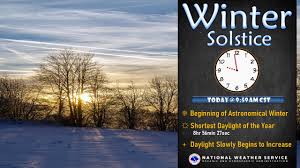
The shortest day of the year, known as the winter solstice, is an astronomical event that marks the day with the least amount of daylight. This phenomenon is significant as it highlights the earth’s axial tilt and orbit around the sun. Understanding when this day occurs helps communities prepare for seasonal changes, and it often holds cultural significance in various traditions around the world.
When Does the Shortest Day Occur?
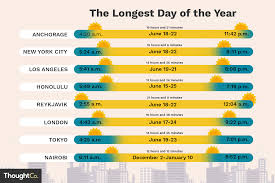
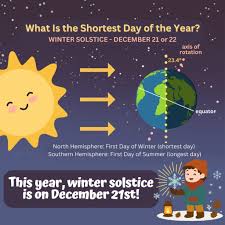
In the Northern Hemisphere, the winter solstice typically occurs on December 21st or 22nd, while in the Southern Hemisphere, it usually happens on June 20th or 21st. In 2023, the winter solstice in the Northern Hemisphere will occur on December 21st. On this day, the sun will rise later and set earlier than on any other day of the year, leading to the shortest period of daylight.
The Science Behind the Shortest Day
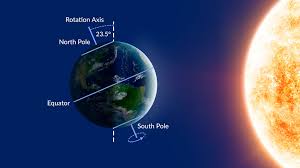
The occurrence of the shortest day is due to the tilt of the Earth’s axis. The planet is tilted at approximately 23.5 degrees, and during the winter solstice, the North Pole is tilted furthest away from the sun. This results in reduced sunlight reaching the Northern Hemisphere, thus shortening the day. Conversely, the Southern Hemisphere experiences its longest day during this time, as it tilts towards the sun.
Impact and Cultural Significance
For many cultures, the winter solstice is a time of celebration. Festivals such as Yule, Dongzhi, and others commemorate the return of longer days and the eventual approach of spring. In ancient times, many civilizations built structures aligned with the solstice sun, highlighting its importance in agricultural societies. Today, it remains a date of significance for many, often associated with reflection, the start of winter festivities, and renewal hopes.
Conclusion
Understanding when the shortest day of the year occurs is essential not only for astronomers but for anyone interested in the rhythms of nature. As the winter solstice approaches, it serves as a reminder of the cyclical nature of the seasons and the role of Earth’s movements in shaping our environment. The transition from the winter solstice towards longer days can inspire personal resolutions and communal gatherings, marking this pivotal moment in our annual calendar.