Exploring the Life and Legacy of Sharon Tate
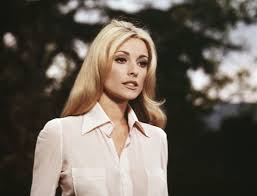
Introduction
Sharon Tate, the American actress and model, is remembered not only for her stunning beauty and talent but also for the tragic circumstances surrounding her untimely death in 1969. As a promising star during the 1960s, her life and career have remained a significant part of Hollywood history. Tate’s story touches on themes of ambition, innocence, and the dark side of fame, making her a figure of enduring interest and discussion.
Sharon Tate’s Early Life and Career
Born on January 24, 1943, in Dallas, Texas, Sharon Tate’s early life was influenced by her father’s military career. After her family settled in California, Tate pursued a career in modelling, where her striking features quickly gained attention. Her breakthrough came with a role in the TV series “The Beverly Hillbillies” and later in the film “Valley of the Dolls” (1967), which established her as a leading actress in Hollywood. Tate’s career trajectory was on the rise, showcasing her range in various genres such as horror and drama, and she was considered a rising star.
The Tragically Short Life
Despite her burgeoning success, Tate’s life took a dark turn when she became a victim of a brutal murder orchestrated by members of the Charles Manson family in August 1969. At the time of her death, she was pregnant with her first child with husband Roman Polanski. The tragic events of that night shocked the nation and brought to light the underlying cultural tensions and violence of the era. The brutality of the crime led to widespread media coverage and public outrage, solidifying Tate’s status as an icon of tragedy.
Legacy and Cultural Impact
In subsequent years, Sharon Tate’s legacy has been examined through multiple lenses, inspiring films, documentaries, and books, which portray her not just as a victim, but as a symbol of innocence lost amidst chaos. Her story has been revisited in popular culture, notably in Quentin Tarantino’s “Once Upon a Time in Hollywood” (2019), which portrays her vibrant life before the eclipse of her tragic fate. Tate is remembered for her contributions to film, her status as a style icon, and the way her life encapsulated the dreams and dangers of the Hollywood lifestyle.
Conclusion
Sharon Tate’s life, though cut short, continues to resonate with audiences today. Her story serves as a reminder of the fragility of life and the potential for darkness to overshadow even the brightest stars. Tate’s legacy remains vital as it reflects on issues of violence, fame, and the consequences of societal upheaval. As discussions about her life and death persist, Sharon Tate’s impact on Hollywood and popular culture solidifies her position as a timeless figure in the annals of entertainment history.


