Exploring the Legacy of Cradle of Filth in Gothic Metal
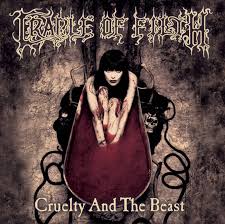
Introduction to Cradle of Filth
Cradle of Filth, formed in 1991 in Suffolk, England, is one of the most prominent bands in the gothic metal genre. Known for their theatrical performances, intricate compositions, and fusion of various musical elements, they have garnered a massive following worldwide. Their music often intertwines themes of horror, literature, and mythology, setting them apart from traditional heavy metal bands. This article explores the significance of Cradle of Filth in the music industry, highlighting their evolution and ongoing influence.
The Formation and Rise to Fame
Cradle of Filth was founded by frontman Dani Filth, and the band’s initial lineup included several key members who contributed to their early sound. In 1994, with the release of their debut album, “The Principle of Evil Made Flesh,” the band began to gain traction in the underground metal scene. Their subsequent albums, particularly 1996’s “Dusk and Her Embrace,” helped solidify their reputation, showcasing complex arrangements and shifting time signatures, which became a hallmark of their style.
Musical Style and Thematic Elements
The music of Cradle of Filth is often described as a blend of black metal, gothic rock, and symphonic metal. The band is known for its use of orchestral elements, gothic imagery, and extreme vocal styles that range from deep growls to operatic singing. Lyrically, they draw inspiration from literature, poetry, and horror, as evident in tracks like “Nymphetamine” and “Her Ghost in the Fog.” Their ability to fuse these elements has not only garnered them critical acclaim but also a dedicated fanbase.
Critical Reception and Influences
Cradle of Filth’s provocative style and boundary-pushing themes have made them subjects of both praise and criticism. Some critics appreciate their innovation and dedication to their art, while others have dismissed them as overly theatrical. Regardless, their influence on both gothic and black metal genres is undeniable. They have inspired a new generation of musicians who seek to emulate their bold approach to songwriting and performance.
Recent Developments and Future Prospects
As of 2023, Cradle of Filth continues to tour and release new music, most recently their album, “Existence Is Futile,” which further explores their signature sound while incorporating modern elements. The band’s continued relevance in the music scene is a testament to their ability to adapt and evolve over time while remaining true to their roots. Fans can expect more innovative projects and performances, ensuring that the legacy of Cradle of Filth will endure for years to come.
Conclusion
The impact of Cradle of Filth on gothic metal is profound, as they meld atmospheric sounds with dark themes to create something uniquely compelling. Their journey from underground musicians to global icons exemplifies the power of creativity in music. As they continue to defy traditional genre boundaries and push the limits of their artistry, Cradle of Filth remains a significant force capable of shaping the future of metal music.


