Exploring the Importance of the 25th Amendment
Introduction
The 25th Amendment to the United States Constitution holds great significance in the realm of presidential succession and disability. Ratified in 1967, this amendment is designed to clarify the process for filling a vacancy in the office of the president and addressing situations where a president is unable to perform their duties. In recent years, the relevance of the 25th Amendment has been brought to the forefront of political discourse, making it a critical topic for citizens and policymakers alike.
Key Provisions of the 25th Amendment
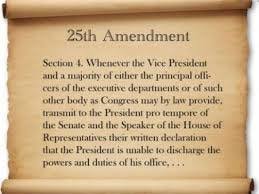
The 25th Amendment is structured into four sections. The first section outlines the succession process in the event of a president’s vacancy, stating that the vice president shall become president. The second section allows the president to appoint a new vice president should the position become vacant, which must then be confirmed by a majority vote in both houses of Congress. The third section addresses instances where the president is unable to carry out their duties due to health concerns, permitting the vice president and a majority of the cabinet to declare the president incapacitated. Lastly, the fourth section provides a method for the vice president and cabinet to remove a sitting president if they believe he can no longer fulfil his responsibilities.
Recent Applications and Discussions
In recent years, discussions regarding the 25th Amendment have gained prominence, particularly during the presidency of Donald Trump and the early days of Joe Biden’s administration. Notably, during Trump’s presidency, there were calls from some lawmakers and citizens to consider invoking the 25th Amendment following various health and conduct-related concerns. These conversations have reignited public interest in the amendment and its implications for leadership and governance in crises.
Conclusion
The 25th Amendment remains a vital element of the United States constitutional framework, ensuring a clear process for presidential succession and the handling of executive incapacity. As we navigate an era marked by political volatility and the potential for unforeseen circumstances affecting leadership, understanding the provisions and historical applications of the 25th Amendment will continue to be essential for citizens and officials alike. Its significance may shape future political strategies and discussions, thereby reinforcing the need to have an informed public engaged in debates around governance and constitutional law.


