Exploring the Impact and Themes of Wuthering Heights
Introduction
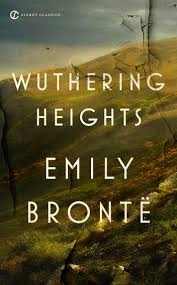
Published in 1847, Emily Brontë’s Wuthering Heights has captivated readers with its dark and passionate exploration of love, revenge, and human nature. As a cornerstone of English literature, the book examines the complexities of relationships and the consequences of obsessive love. Its relevance continues to resonate in modern literary discussions, making it a subject of study in schools and universities around the world.
Plot Overview
Set on the Yorkshire moors, Wuthering Heights tells the story of the tumultuous relationship between Heathcliff, an orphan taken in by the Earnshaw family, and Catherine Earnshaw. Following Catherine’s marriage to Edgar Linton, Heathcliff’s unrelenting desire for revenge leads to a cycle of suffering that affects both families over generations. The novel’s nonlinear narrative structure, revealing events through multiple perspectives, deepens the intrigue and complexity of the plot.
Themes and Character Analysis
The primary themes of Wuthering Heights revolve around love and its destructive power. Heathcliff’s love for Catherine, rooted in deep passion yet marred by jealousy and resentment, serves as a cautionary tale about the darker sides of love. Additionally, the contrast between the wildness of Wuthering Heights and the civility of Thrushcross Grange highlights the tension between nature and society.
Brontë’s characters are richly developed, with Heathcliff often interpreted as a Byronic hero, embodying both charm and cruelty. In contrast, Catherine is portrayed as a complex figure torn between societal expectations and her true desires. Their tumultuous bond ultimately leads to tragedy, raising poignant questions about the nature of love and the impact of social class.
Modern Reception and Adaptations
Since its publication, Wuthering Heights has received mixed reviews; some contemporary critics hailed it as a masterpiece, while others struggled with its unconventional style and bleak themes. Nevertheless, the novel has maintained a significant presence in popular culture, inspiring numerous adaptations across various media, including films, stage productions, and even music.
Conclusion
Today, Wuthering Heights stands as a testament to Emily Brontë’s literary genius, continuing to spark interest and debate among readers and scholars alike. Its exploration of love, revenge, and the human condition transcends time, cementing its status as a timeless classic. As academics and readers further examine its themes, the novel will undoubtedly remain a vital part of English literature, encouraging deeper reflection on the complexities of emotional ties.