Exploring the History and Significance of St Michael’s Mount
Introduction
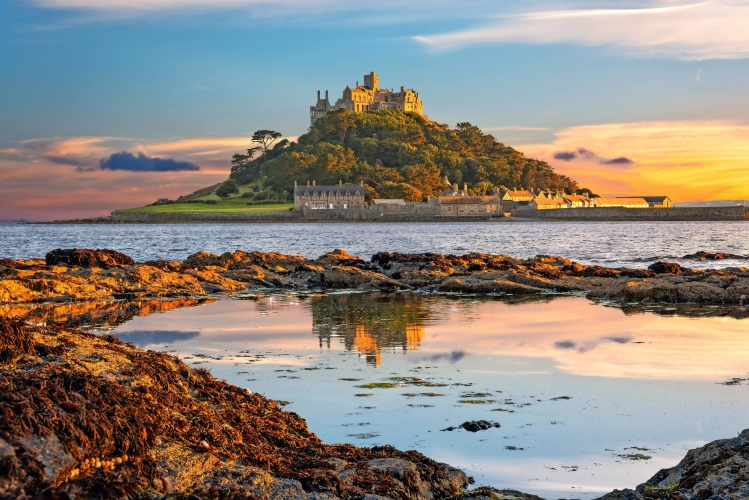
St Michael’s Mount, a captivating tidal island located off the coast of Cornwall, is not merely a picturesque landmark but also a site of historical and cultural importance. Recognised for its stunning architecture and natural beauty, the site attracts tourists and historians alike. With its medieval castle, charming village, and tidal causeway, St Michael’s Mount stands as a significant point of interest, embodying centuries of history and mythology.
A Glimpse into History
The origins of St Michael’s Mount date back to the 12th century when it was a formidable stronghold of the Norman knights, reflecting the feudal system that prevailed in England during that era. It was dedicated to St Michael, a popular figure in medieval Christianity, and served as a pilgrimage site that drew visitors from across Europe. In 1135, the Benedictine monks from Mont Saint-Michel in Normandy established a priory on the island, further enhancing its religious significance.
Throughout the centuries, St Michael’s Mount has witnessed numerous events, including battles and sieges. One notable moment in history was during the English Civil War when Captain John St Aubyn took a stand against parliamentary forces. The island’s strategic position made it a crucial defensive site during conflicts, showcasing its military relevance.
Architectural Highlights
The Mount’s most striking feature is its castle, which has been an evolving structure over the years. The castle reflects a blend of various architectural styles, from the medieval fortifications to the 19th-century Victorian embellishments. Visitors can explore the rooms filled with treasures and learn about the family history of the St Aubyns, who have owned the island for over 300 years. Additionally, the stunning gardens filled with exotic plants thrive in the mild climate, enhancing the island’s allure.
Current Significance
Today, St Michael’s Mount is managed by the National Trust and remains a popular tourist destination. With over 300,000 annual visitors, it stands as a cherished cultural heritage site, contributing significantly to Cornwall’s economy. The causeway connecting the island to the mainland is accessible at low tide, allowing visitors to embark on a unique journey through history as they traverse the path to the mount.
Conclusion
St Michael’s Mount continues to enchant visitors with its rich tapestry of history and breathtaking scenery. As a testament to the resilience of culture and heritage, it serves as an educational resource and an attraction that beckons tourists. Looking ahead, its enduring significance is expected to increase with ongoing efforts for preservation and education, ensuring that future generations can appreciate this iconic structure and its rich legacy.


