Exploring Duffman: The Iconic Character from The Simpsons
Introduction
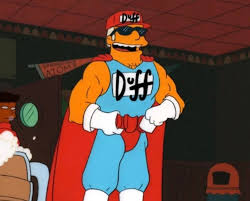
Duffman, the energetic and memorable mascot of the popular fictional beer brand Duff Beer in the animated television series The Simpsons, has become one of the show’s most beloved characters. Since his first appearance in the episode “The City of New York vs. Homer Simpson” in 1997, Duffman has embodied the playful satire that The Simpsons is known for, representing both the exuberance and absurdity of American pop culture.
Duffman’s Role in The Simpsons
Duffman is portrayed as a muscular, upbeat character, wearing a bright red outfit adorned with the distinctive Duff logo and a cap. His catchphrase, “Oh yeah!” has made him a memorable figure among fans. Duffman often appears at events, promoting Duff Beer with infectious enthusiasm, cleverly reflecting the advertising culture surrounding beer and other consumer products.
His character serves not only to amuse viewers but also to critique the excessive marketing and promotional tactics used by companies. The juxtaposition of his exuberance against the backdrop of Homer Simpson’s often misguided antics creates moments of comedic brilliance that resonate with audiences.
Impact on Pop Culture
Duffman has transcended the show, appearing in various merchandise, video games, and even theme park attractions. His character has been referenced and parodied in numerous other shows and media, cementing his status as an iconic figure. In 2018, Duffman made headlines when he was used in a promotional campaign in partnership with craft breweries to highlight responsible drinking, showcasing his relevance even outside of the show.
Conclusion
As The Simpsons continues its legacy, characters like Duffman play a crucial role in encapsulating the show’s unique ability to blend humour with commentary on societal issues. Duffman represents the exaggerated and often absurd nature of advertising in the alcohol industry, and his enduring appeal reflects the show’s knack for cultural satire. Looking ahead, Duffman is likely to remain a staple in popular culture, continuing to spark conversations about marketing, drinking culture, and societal norms through humour.

