Examining the Warwick Ward Construction Firm Collapse
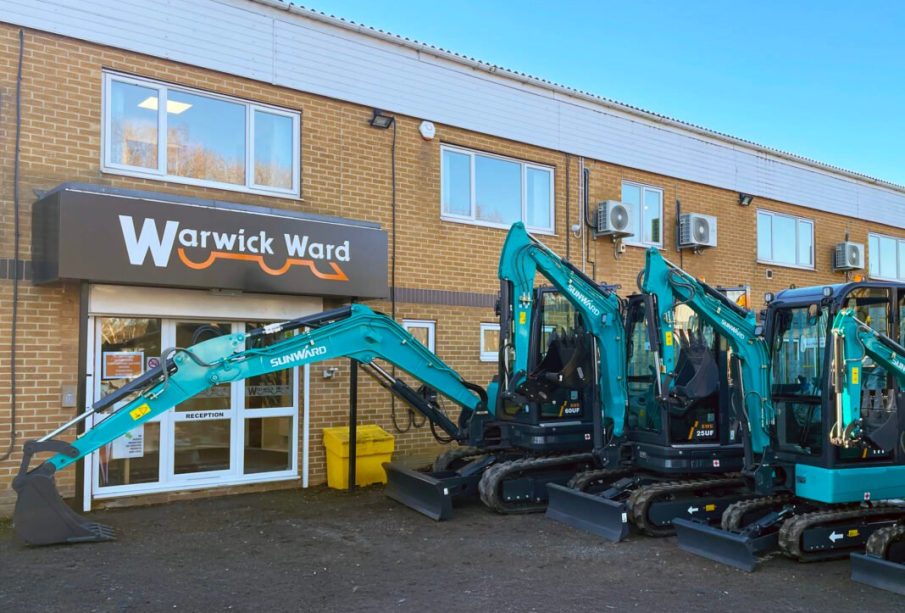
The Importance of the Collapse
The recent collapse of Warwick Ward Construction, a prominent player in the UK construction sector, has raised significant concerns within the industry. As construction firms continue to grapple with rising costs and supply chain challenges, the fallout from this incident serves as a cautionary tale for both investors and stakeholders alike.
Background of Warwick Ward Construction
Founded in the early 1990s, Warwick Ward Construction quickly established itself as a reputable company known for its quality work on residential and commercial projects. However, in recent years, escalating material costs and the impacts of the COVID-19 pandemic began to take their toll on the financial stability of the firm.
Details of the Collapse
On October 15, 2023, Warwick Ward Construction announced that it would be entering administration, reportedly due to insurmountable debts and ongoing loss of contracts. In an official statement, company directors noted the challenging market environment and noted that attempts to secure additional financing had failed. This announcement has put over 500 jobs at risk, affecting families and communities that depend on the firm’s operations.
Impact on the Construction Industry
The collapse raises alarms about the health of the wider construction sector in the UK. Experts suggest that Warwick Ward’s struggles reflect broader trends, including increasing material costs, wage pressures, and tighter margins that many construction firms are currently facing. The Constructing Excellence organisation commented, “Warwick Ward’s administration is a wake-up call for the industry, emphasizing the need for better financial resilience practices among construction firms.”
Future Projections
As the nation assesses the ramifications of the collapse, many industry analysts are forecasting possible further consolidations in the construction market. Firms that remain solvent may consider mergers and acquisitions to strengthen their market position. Furthermore, government agencies are being called upon to offer support and perhaps rethink regulations to foster a more robust recovery for the sector.
Conclusion
The collapse of Warwick Ward Construction is not just an isolated incident; it highlights vulnerabilities that are pervasive in the construction industry amid economically challenging times. As the sector navigates these turbulent waters, the ongoing fallout will likely influence strategies and policies designed to ensure long-term stability and growth.