Emissions Based Parking Reading: New Charges from 2 February 2026
Introduction
Emissions-based parking is becoming a more prominent local policy tool as councils seek to reduce air pollution and incentivise lower-emission vehicles. Reading Borough Council has announced changes to on-street parking charges that tie fees to vehicle emissions. The policy is relevant to everyday drivers, residents with permits and businesses that rely on street parking, and it signals a wider shift in how local authorities manage road space and environmental impacts.
Main details of the scheme
Scope and application
Reading Borough Council will introduce emissions-based charging for on-street pay-and-display parking bays and for permits, including residents’ permits. The council has confirmed that owners of higher-polluting vehicles will pay more for on-street parking under the new system.
Implementation date
The changes take effect from Monday 2 February 2026. The council communicated the start date through its official channels, including a public notice and a message on its Facebook page, emphasising that the new charges will apply to relevant on-street parking and permit categories.
Who is affected
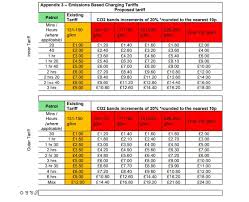
Drivers who use on-street pay-and-display bays and holders of residents’ or other on-street permits should expect to see charges linked to their vehicles’ emissions ratings. While detailed charging bands or price differentials were not included in the council’s initial notices, the overarching principle is that higher-emission vehicles will face higher fees.
Conclusion and significance
Reading’s move to emissions-based parking charges reflects growing local authority efforts to tackle air quality and encourage cleaner transport choices. For drivers and residents the immediate impact will be a change in parking costs from 2 February 2026; for the council, the policy may help nudge behaviour towards lower-emission vehicles and support broader environmental objectives. Motorists planning vehicle purchases or relying on on-street parking should review council communications ahead of the implementation date to understand how their costs might change. Over time, similar measures in other areas may make emissions-based charging a standard part of local parking policy.


