Electric bike: Benefits, types and buying tips
Introduction: Why the electric bike matters
Electric bikes are increasingly visible on city streets, suburban lanes and countryside paths. They combine pedal power with electric assistance to make cycling more accessible and practical for a wider range of people. Their relevance spans commuting, leisure, delivery services and active travel policies, offering potential benefits for time-saving, accessibility and personal mobility.
Main body
How an electric bike works
An electric bike pairs a conventional frame, pedals and gears with an electric motor and a rechargeable battery. The motor provides assistance when the rider pedals, reducing effort on hills and over longer distances. Control systems let the rider adjust assistance levels and monitor battery charge. Key components to consider include battery capacity, motor placement (hub or mid-drive), controller type and the quality of mechanical parts such as brakes and gears.
Types and typical uses
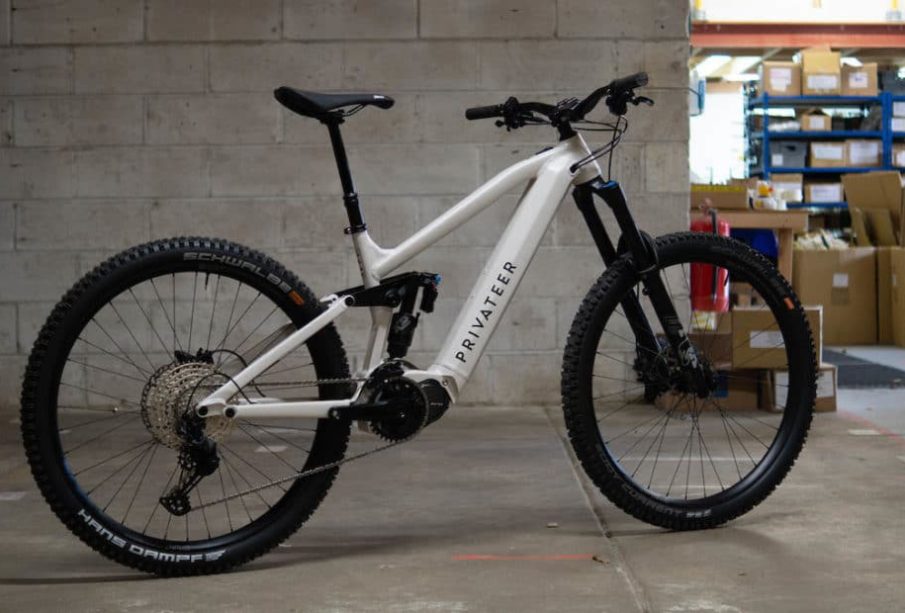
Electric bikes come in many styles: commuter and city models prioritise comfort and integrated lights; cargo e-bikes are built to carry goods or children; mountain e-bikes add suspension and robust drivetrains for off-road use; and folding e-bikes focus on portability. Choice should follow the intended use—short urban trips, long rides, carrying loads or off-road cycling—because frame design, tyre type and motor characteristics differ between categories.
Choosing and buying an electric bike
When selecting an electric bike, assess range, charging time, warranty, after-sales support and weight. Test rides are essential to evaluate comfort, handling and how natural the motor assistance feels. Consider practicality factors such as carrying options, security (locks and immobilisers) and the availability of replacement batteries or service at local shops.
Safety and maintenance
Riding an electric bike requires the same attention as any cycle: suitable helmet use, visibility measures and defensive riding, particularly at higher speeds. Regular maintenance—tyre pressure, brake condition, chain lubrication and battery care—will extend the life and reliability of the bike. Riders should check local rules and regulations governing electric bikes in their area.
Conclusion
Electric bikes offer a flexible mobility option that can broaden who cycles and how people travel. For potential buyers, the important steps are clarifying intended use, testing models, and planning for maintenance and security. As technology and infrastructure evolve, electric bikes are likely to remain a practical choice for many journeys.


