Does China Have Wind Farms? An Overview of China’s Wind Energy Build‑out
Introduction: Why the Question Matters
Does China have wind farms? The short answer is yes. Understanding China’s wind‑farm expansion matters because it shapes global renewable energy markets, influences climate commitments and affects regional energy security. China’s rapid deployment of onshore and offshore wind, including turbines designed to withstand typhoons, has significance for investors, policymakers and communities both within China and across Asia.
Main Body: Extent, Technology and Recent Developments
Large‑scale build‑out across regions
China has built a vast network of wind farms spanning crowded eastern cities to remote western deserts. Photographers documenting the growth note that last year China installed more than half of all wind and solar capacity added globally, and in one month alone it added enough renewable energy to power a country the size of Poland. Onshore projects like Wulanyiligeng and Qijiashan exemplify inland deployment, while coastal and offshore projects extend China’s reach into the sea.
Offshore growth and typhoon resilience
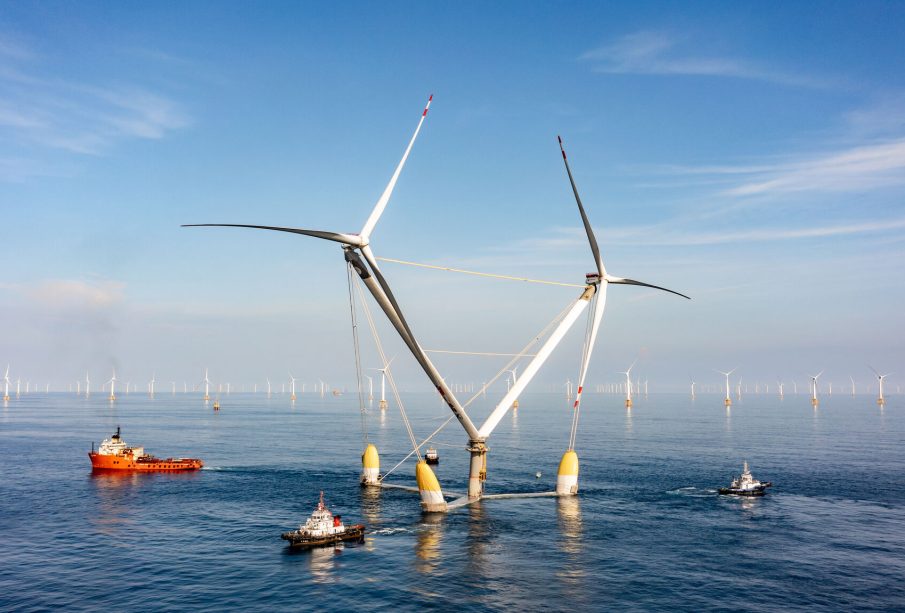
Offshore development is a major focus. Chinese firms and researchers have prioritised typhoon‑resistant designs because an offshore wind farm in Chinese waters can expect to face dozens of typhoons over a typical 25‑year design life. A Goldwind spokesperson noted that an offshore farm is projected to experience at least 100 typhoons during its designed lifespan. Companies such as Goldwind and industry bodies like the Global Wind Energy Council have driven R&D and commercial deployment of turbines built for these conditions.
Exportable expertise and local impact
Experts including Qiao Liming (formerly of GWEC) and academics such as Xiaoli Guo Larsén point out that China’s experience in building typhoon‑proof turbines is valuable for Southeast Asia and other typhoon‑prone regions seeking offshore wind. Meanwhile, large visible installations captured by photographer Weimin Chu illustrate the scale, geometry and integration of wind farms into landscapes and seascapes across provinces such as Guizhou, Yunnan and Qinghai.
Conclusion: What This Means for Readers
China not only has wind farms but leads in their deployment and in developing resilience for extreme weather. The trend is likely to continue: expect further expansion of both onshore and offshore projects, ongoing innovation in typhoon‑resistant technology, and increased regional collaboration. For readers, this signals accelerated decarbonisation efforts, potential investment opportunities, and transferable engineering know‑how for other countries facing severe storms.


