Discovering Christmas Island: A Unique Ecosystem and Culture
Introduction to Christmas Island
Christmas Island, located in the Indian Ocean, is an external territory of Australia, known for its stunning natural beauty and diverse ecosystem. Covering an area of 135 square kilometres, the island is home to unique wildlife and vibrant cultural heritage, making it an important area for biodiversity and ecological research.
Significance and Biodiversity
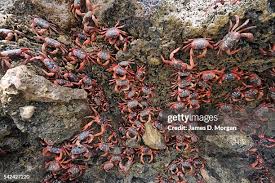
The island hosts a remarkable array of species, including the famous red crab, known for its spectacular annual migration, where millions of crabs travel to the ocean to breed. This phenomenon not only attracts tourists but also plays a critical role in the island’s ecology. According to a 2023 study by the Australian Institute of Marine Science, the migration and breeding patterns of the red crab contribute significantly to the island’s coastal ecosystem.
Additionally, Christmas Island harbours a range of terrestrial and marine environments, including rainforests and coral reefs, which support many endemic species. The island’s unique biogeography has made it a site of interest for scientists studying evolution and conservation.
Historical Context
Originally discovered by European explorers in the 17th century, Christmas Island was annexed by Great Britain in 1888. The island was originally known for its phosphate mines, which played a substantial role in its economy until the late 20th century. Today, tourism has become increasingly important. In recent years, the Australian government has supported initiatives to promote sustainable tourism and conservation efforts to protect the island’s natural resources.
Current Events and Future Prospects
As of October 2023, Christmas Island has been in the spotlight for its ongoing conservation projects, which aim to preserve its unique environment amid climate change challenges. Local authorities are collaborating with international conservation groups to implement strategies that support both wildlife and the local community’s interests.
Moreover, the island’s geographical significance as a strategic location on maritime routes has increased discussions on infrastructural investments, providing hope for economic rejuvenation while balancing ecological concerns.
Conclusion
Christmas Island remains a vital location for biodiversity and cultural heritage. As conservation efforts continue to gain traction, the island’s relevance in global discussions about environmental sustainability is likely to increase. For residents and tourists alike, Christmas Island offers a unique opportunity to engage with nature and contribute to the preservation of one of the world’s most remarkable ecosystems.