Details on Nestlé Baby Formula Recall and Its Implications
Importance of the Nestlé Baby Formula Recall
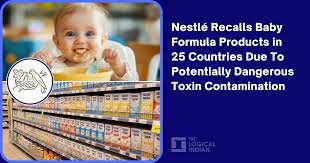
The recent recall of certain Nestlé baby formula products has raised significant concern among parents and health professionals alike. As one of the leading producers of infant nutrition, any quality issues with baby formula can pose serious risks to the health and well-being of infants. It is crucial for caregivers to be informed about such recalls to ensure the safety of their children.
Details of the Recall
On October 20, 2023, Nestlé announced a voluntary recall of specific batches of its popular baby formula products, citing potential contamination with harmful bacteria. The affected products include certain lots of the “Nestlé NAN Comfort” and “Nestlé Cerelac” formulas distributed within the United Kingdom and several European countries. The company reported that internal quality checks indicated a risk of contamination that could lead to serious health issues if ingested by infants.
The recall specifically affects products with expiry dates from November 2024 to January 2025, with batch numbers detailed on the official recall notice issued by Nestlé. Consumers are urged to check their pantry and discontinue use of any affected products. Nestlé has set up a helpline for parents seeking assistance and has pledged to provide refunds for returned products.
Consumer Reaction and Health Impact
Parents across the UK have reacted with alarm to the news. Many have taken to social media to share their concerns and seek advice on alternatives for their infants. Health professionals are advising parents to monitor any symptoms of illness if their child has been consuming the recalled formula, including vomiting, diarrhea, or fever.
The recall has also sparked discussions about infant formula safety regulations and the responsibilities of manufacturers in ensuring product quality. Experts are calling for stricter oversight and transparency in the production and distribution of baby food products to prevent future incidents.
Conclusion and Future Considerations
This recent Nestlé baby formula recall serves as a stark reminder of the importance of safety in food products, particularly those intended for vulnerable populations like infants. Parents are encouraged to stay vigilant and informed about product recalls, not only with Nestlé but across all brands. As consumer safety remains a priority, it is anticipated that regulatory bodies will tighten control measures to bolster confidence in baby food safety standards.
Moving forward, Nestlé’s response to this crisis will be crucial in restoring consumer trust. The company has committed to reviewing its manufacturing processes and enhancing quality control measures to prevent such issues from recurring. For parents, being proactive in checking product labels and staying informed about recalls remains vital for ensuring the safety of their child’s nutrition.


