David Attenborough’s Impact on Nature Broadcasting and Conservation
Introduction
Sir David Attenborough remains one of the most recognised voices on natural history and conservation. His decades-long career as a broadcaster, writer and natural historian has helped to shape public understanding of the natural world and the challenges it faces. Coverage of David Attenborough’s work is important because it connects scientific evidence with broad public audiences, influencing attitudes to biodiversity loss, climate change and habitat protection.
Main developments
Career highlights
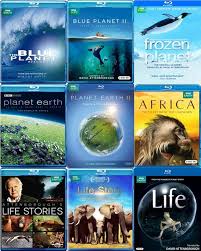
David Attenborough first became widely known through BBC natural history programming and has presented landmark series that brought ecosystems and remote species into living rooms worldwide. Signature series include Life on Earth (1979), The Living Planet (1984), The Blue Planet (2001), Planet Earth (2006), Blue Planet II (2017) and A Life on Our Planet (2020). These programmes combined meticulous field filmmaking with clear, accessible narration and helped establish modern nature documentary standards.
Advocacy and public influence
Beyond filmmaking, david attenborough has been an outspoken advocate for conservation and action on climate change. His documentaries increasingly highlight human impacts on ecosystems, urging policy makers and the public to respond to species decline and environmental degradation. He is widely credited with raising public awareness of issues such as marine plastic pollution, coral bleaching and the broader implications of a warming planet.
Ongoing relevance
Attenborough’s continued presence on major broadcasts and streaming platforms keeps conservation conversations in the mainstream. His clear, factual presentation style and long-established credibility mean new series and films reach intergenerational audiences, from schoolchildren to policy-makers. This dissemination of scientific knowledge supports education initiatives and can amplify calls for both local and international conservation measures.
Conclusion
David Attenborough’s career illustrates how media can bridge science and public engagement. His work has helped frame biodiversity and climate issues as shared global concerns, making them more tangible to millions. Looking ahead, the persistent themes of his programmes — species protection, habitat restoration and climate action — remain central to environmental debates. For readers, the significance is twofold: Attenborough’s output is a resource for learning about the natural world, and a reminder that informed public engagement is a key part of driving conservation outcomes.