David Attenborough: A lifetime for nature
Introduction
Sir David Attenborough remains one of the most recognisable voices for the natural world. His work as a broadcaster, writer and presenter has helped shape public understanding of biodiversity, climate change and conservation for more than half a century. As he approaches his centenary in May 2026, reflections on his influence highlight why natural history programming and science communication matter to audiences and policymakers alike.
Legacy and recent work
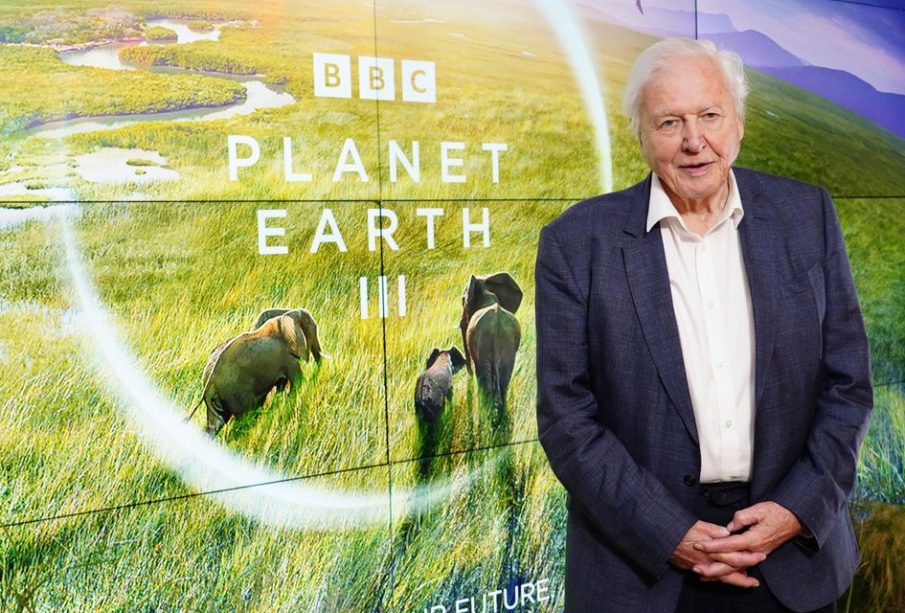
David Attenborough first rose to prominence through landmark BBC series that brought natural history into millions of homes. Programmes such as Life on Earth, Planet Earth and the Blue Planet franchises set new standards for wildlife filmmaking and storytelling. In the 2010s and into the 2020s he broadened his reach with globally distributed projects including Our Planet and the witness documentary A Life on Our Planet, combining cinematic footage with explicit messages about habitat loss, pollution and climate risk.
Beyond individual titles, Attenborough’s consistent emphasis has been on translating complex science into accessible narrative: explaining ecosystems, showing human impacts, and urging practical action. His narration style and careful pacing have helped make distant species and fragile environments feel immediate and relevant. Producers, filmmakers and conservation groups frequently cite his series as pivotal in mobilising public interest, influencing education and informing policy debates on species protection and ocean plastics.
Ongoing influence and public reaction
Even as new technologies and platforms change how nature content is delivered, Attenborough’s role as a trusted communicator endures. Recent anniversaries of key series and re-releases of classic episodes have sparked renewed attention to habitat decline and the urgency of conservation. International collaborations between broadcasters, streaming services and scientific organisations continue to draw on the storytelling techniques he helped popularise.
Conclusion
David Attenborough’s career underlines the power of clear, evidence-based storytelling to inform public opinion and encourage action. As he nears his 100th birthday, broadcasters and conservationists expect his body of work to remain a reference point for engaging wider audiences on biodiversity and climate. For readers, the ongoing lesson is practical: awareness shaped by credible communication can be a catalyst for personal and collective choices that support nature’s recovery.