Current Traffic Conditions in Plymouth: What You Need to Know
Introduction
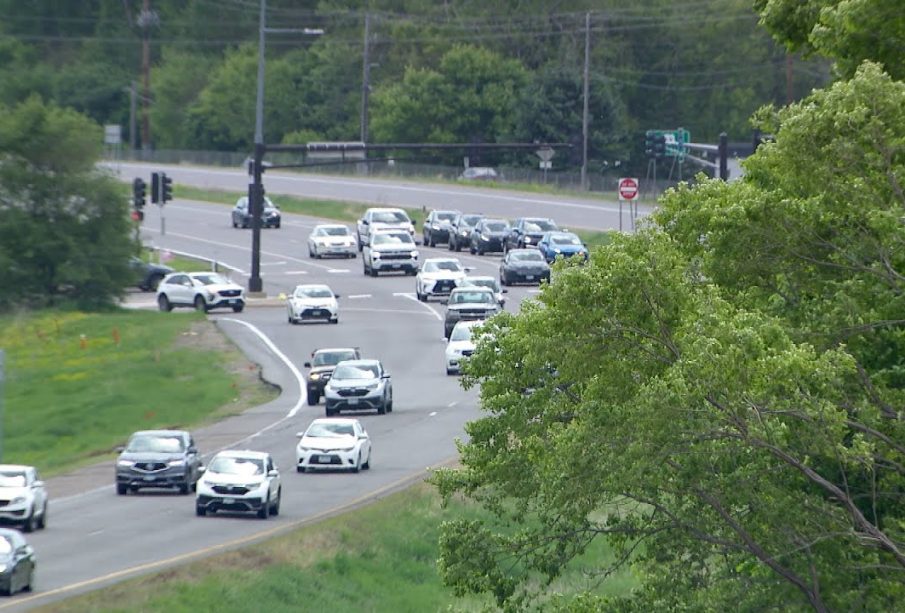
Traffic has always been a pivotal issue in urban planning and daily commuting, significantly impacting both local residents and businesses. Recently, Plymouth has witnessed a rise in traffic congestion, prompting discussions about its causes and potential solutions. Understanding Plymouth’s traffic situation is essential for residents, visitors, and those who work in the city, as it affects commute times, air quality, and overall urban mobility.
Current Traffic Situation
As of October 2023, Plymouth is experiencing increased traffic on major routes, particularly during peak hours. According to a recent report by the Plymouth City Council, congestion in the city has risen by approximately 15% compared to last year. Key areas affected include the A386, which links Devon and Cornwall, and the city centre, where ongoing roadworks have exacerbated delays. The council attributes this surge in traffic to a combination of factors, including a rebound in economic activity post-pandemic and the return of university students, markedly increasing the number of vehicles on the roads.
Key Contributing Factors
Several key factors are contributing to the current traffic conditions in Plymouth. Firstly, the completion of several road projects has led to temporary disruptions as these improvements are integrated into the existing infrastructure. Secondly, the rise in home deliveries and online shopping has elevated the number of delivery vehicles on the roads. Additionally, during the weekends, popular local attractions are drawing larger crowds, further stretching the capacity of Plymouth’s road network.
Impact on Commuters
The rise in congestion has had a noticeable impact on daily commuters and public transport services. Average commute times have increased by up to 20 minutes on certain routes. Local bus services have also reported delays, prompting the Plymouth Area Bus Users Group to call for reforms in scheduling and routes to better accommodate the changing traffic patterns. The situation has led to frustration amongst drivers and passengers alike, highlighting the urgent need for efficient transport solutions.
Looking Ahead
In response to the growing traffic challenges, Plymouth City Council has initiated several measures aimed at alleviating congestion. These include enhanced cycling and walking paths, promoting public transport usage, and reviewing traffic light systems for better flow. City officials anticipate that as these strategies develop, the traffic situation may improve over the coming year. Stakeholders are encouraged to stay updated with council communications for upcoming initiatives and traffic management strategies.
Conclusion
Plymouth’s traffic congestion presents significant challenges for residents and businesses alike, particularly as economic activities continue to recover. While recent data indicates an uptick in traffic issues, proactive measures by the council may mitigate future congestion. Staying informed and embracing alternative transport options may offer residents relief as Plymouth navigates these traffic-related hurdles.


