Chinese New Year 2026: What to Expect as the Year of the Horse Begins
Introduction: Why Chinese New Year 2026 matters
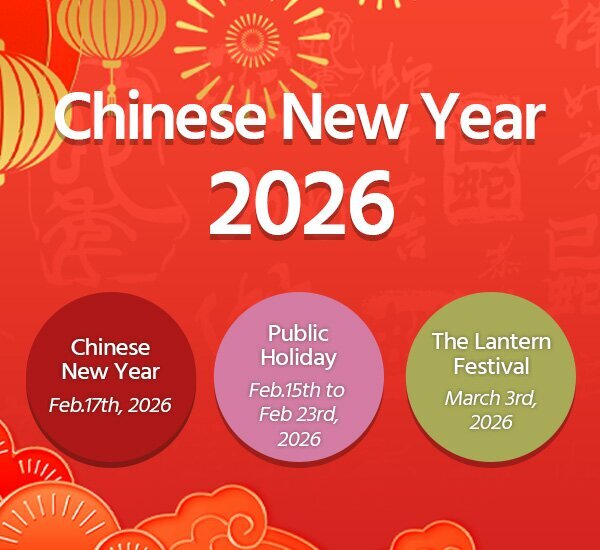
Chinese New Year 2026, observed on 17 February, marks the start of the Year of the Horse and is one of the most important cultural events across Greater China and many overseas communities. The festival is significant not only for its cultural and familial traditions but also for its economic and logistical effects: it drives major seasonal spending, a surge in travel, and international celebrations that can influence markets, tourism and public services.
Main body: Events, traditions and practical impacts
Key traditions and public observances
Celebrations centre on family reunions, the giving of red envelopes, lion and dragon dances, temple fairs and the lighting of firecrackers where permitted. Many businesses close or operate reduced hours as families gather for the traditional reunion dinner that heralds the new lunar year. Community events and cultural performances are scheduled in cities with significant Chinese populations worldwide.
Travel and logistics
The festival coincides with Chunyun, the annual Spring Festival travel period, which typically sees large numbers of people travelling domestically and internationally. Transport hubs – especially rail stations, airports and long‑distance coach services – experience heavy demand in the days before and after the new year. Travellers are advised to book early and allow extra time for journeys.
Economic and commercial effects
Retailers, hospitality firms and airlines usually run targeted promotions and packages to capture heightened consumer spending. The period boosts sectors such as food, gift goods and travel, and also affects manufacturing and supply chains where factories may close for a holiday stretch, prompting adjustments in production schedules.
Conclusion: Outlook and what readers should know
Chinese New Year 2026 is likely to reinforce its role as both a cultural touchstone and an economic driver. For readers, practical takeaways include planning travel and purchases ahead of the holiday, checking local event listings for community celebrations, and noting that services may be limited during the peak observance. Broader significance lies in the festival’s ongoing contribution to cultural exchange and seasonal market rhythms across Asia and beyond as the world marks the Year of the Horse.