Chinese New Year 2026: Key Dates, Customs and the Year of the Horse
Introduction: Why Chinese New Year 2026 matters
Chinese New Year (Lunar New Year) is one of the most important traditional celebrations across many East Asian communities. In 2026 it falls in the Year of the Horse, bringing particular cultural significance for those who follow the lunar calendar. Knowing the dates and customary practices helps families plan reunions, public services schedule leave, and communities prepare events that run from New Year’s Eve through the Lantern Festival.
Main details and observances
When it starts and key dates
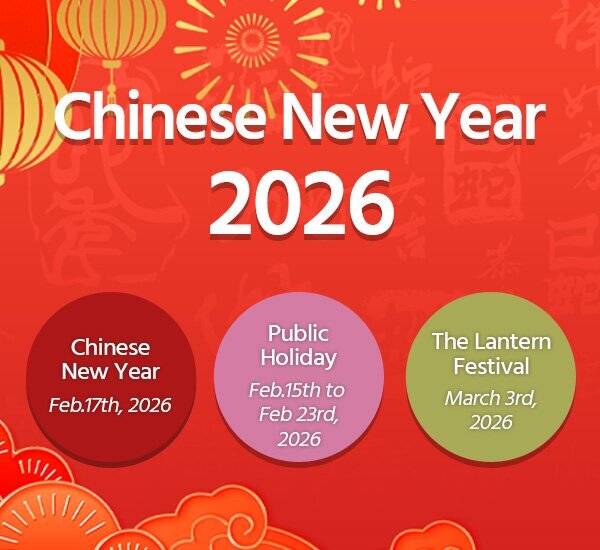
Chinese New Year 2026 begins on Tuesday 17 February, with Chinese New Year’s Eve on Monday 16 February 2026. The festival period traditionally continues until the Lantern Festival, which in 2026 falls on 3 March — the first full moon of the lunar year. The lunar new year always falls between 21 January and 20 February in the Gregorian calendar, so dates vary annually.
Public holiday period
There is an eight‑day public holiday for Lunar New Year that runs from Chinese New Year’s Eve to the seventh day of the lunar calendar new year. This extended holiday period is used by many people to travel for family reunions, rest or to participate in local festivities.
Traditional customs and practices
Customs for 2026 mirror long‑established practices: on New Year’s Eve families hold a reunion dinner and often stay up until midnight — a tradition known as Chúxì (除夕) — offering greetings and well wishes at the stroke of 12 for good luck. New Year’s Day (Chūyī, 初一) on 17 February is typically devoted to visiting and greeting elder relatives, presenting gifts, and paying respects at ancestors’ graves. Celebrations vary by community but share a focus on family, renewal and goodwill.
Conclusion: Significance and what to expect
Chinese New Year 2026, the Year of the Horse, combines deeply rooted traditions with a fixed sequence of dates — New Year’s Eve on 16 February, New Year’s Day on 17 February, and the Lantern Festival on 3 March. The eight‑day holiday window provides time for reunions and public festivities. For readers planning travel, family visits or cultural events, marking these dates and observing customary practices will help ensure respectful and timely participation in the season’s celebrations.