Chatham House: The Royal Institute of International Affairs
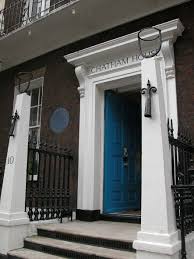
Introduction: Why Chatham House matters
Chatham House, formally the Royal Institute of International Affairs, is a prominent British think tank based in London. Founded in 1920, it plays an important role in international policy discussions by providing independent analysis, informed debate and influential ideas. Its work is relevant to policymakers, academics and the public because it aims to help shape solutions for a prosperous and secure world.
Main body: History, role and publications
Origins and identity
Established in 1920, the institute is widely known by its shorter name, Chatham House. It has developed as an independent policy institute and research organisation focused on international affairs. Over the decades it has documented its activities and findings in formal publications and conference reports.
Activities and mission
Chatham House is described by the World Economic Forum as a world-leading think tank that provides independent analysis and informed debate. The institute’s remit includes generating ideas intended to contribute to global prosperity and security. Its independent stance and focus on debate make it a platform for exchanging perspectives on international policy questions.
Publications and documented work
The institute’s historical record includes annual reports and conference outputs. For example, its Annual Reports for 1926–1931 are recorded under the Royal Institute of International Affairs. More recent examples of its convening and publishing activity include the Angola Forum Conference Report, “Angola’s Future” (13–14 November 2003), published by Chatham House. Scholarly and historical treatments of the institute’s role also exist, such as works examining the Royal Institute of International Affairs during the interwar period (1919–1945).
Conclusion: Significance and outlook
As an independent London-based policy institute founded in 1920, Chatham House continues to be a focal point for debate and research on international affairs. Its catalogue of reports and its reputation for analysis mean it remains relevant to anyone interested in global policy and security. Readers can expect Chatham House to continue convening experts and publishing work that informs discussions on prosperity and security in the years ahead.