Cecil the lion: Legacy of a widely publicised killing
Introduction: Why Cecil the lion still matters
The killing of cecil the lion became an international flashpoint for wildlife conservation, ethics and trophy hunting policy. The incident drew widespread media attention and public reaction, highlighting tensions between local livelihoods, conservation science and international hunting practices. Understanding the legacy of Cecil the lion remains relevant to readers because it shaped regulatory responses, corporate policies and public awareness about large carnivore conservation.
Main body: Events, responses and outcomes
What happened and the immediate reaction
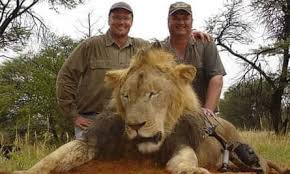
The death of cecil the lion in Zimbabwe triggered immediate global outrage. Cecil, a well-known male lion associated with long-term research and tourism in and around Hwange National Park, attracted significant attention because he wore a tracking device and had become a familiar figure to researchers and visitors. The killing prompted intense media coverage and widespread social media mobilisation.
Policy and institutional responses
In the months following the incident, governments, airlines and conservation organisations reviewed policies related to trophy hunting and wildlife trade. Some countries and carriers tightened rules for importing or transporting hunting trophies, and conservation bodies used the episode to call for stronger protections for vulnerable large carnivores and better regulation of guided hunts. The debate also prompted renewed discussion about how revenues from hunting are shared with local communities and how conservation objectives can be balanced with economic needs.
Scientific and conservation implications
Beyond the immediate outcry, the case highlighted the importance of rigorous wildlife monitoring, transparent permitting systems and the role of long-term ecological research in informing management. Researchers and conservationists used the moment to press for greater data sharing, improved anti-poaching measures and programmes that prioritise coexistence between people and predators.
Conclusion: Continuing significance and outlook
The killing of cecil the lion changed public perceptions and influenced policy debates, but it did not end the complexities surrounding trophy hunting and wildlife management. For readers, the episode underlines the ongoing need for evidence-based conservation, clear regulation and community-centred approaches that reconcile biodiversity protection with local livelihoods. As countries revise laws and stakeholders seek durable solutions, the legacy of Cecil the lion remains a touchstone in discussions about how best to conserve iconic species.


