Canvey Island: Balancing Flood Risk, Regeneration and Nature
Introduction: Why Canvey Island matters
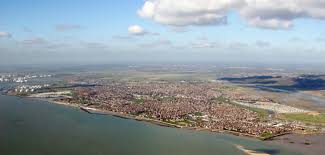
Canvey Island, an inhabited low-lying island in the Thames Estuary off the Essex coast, is important for residents, planners and environmentalists. Its history of severe flooding, ongoing regeneration efforts and pockets of valuable wildlife habitat make it a focal point for debates about coastal risk management, housing and nature recovery in the face of climate change.
Main developments and facts
Flood history and defences
The island was dramatically affected by the North Sea flood of 1953, an event that shaped subsequent policy and infrastructure. Since then, substantial sea defences and flood-protection schemes have been built and maintained to protect homes, businesses and transport links. Sea-level rise and more frequent storm surges have kept flood risk high on the local agenda, prompting continued investment, planning controls and community preparedness work.
Regeneration and local economy
Local authorities and residents have pushed forward regeneration initiatives aimed at improving housing, public spaces and economic prospects. Canvey Island remains home to a mix of residential neighbourhoods, local shops, leisure facilities and some industrial sites on the island’s periphery. Policymakers face the dual challenge of enabling development while ensuring new and existing properties are resilient to coastal hazards.
Nature and conservation gains
Alongside built development, Canvey Island contains important wildlife areas. Notably, Canvey Wick — an area of reclaimed industrial land — has become internationally recognised for its wildflowers, insects and rare invertebrates. Such pockets of biodiversity highlight opportunities to combine habitat restoration with community access to green space, even on land with an industrial past.
Conclusion: Outlook and significance
For readers, Canvey Island illustrates broader choices confronting many coastal communities: invest in defences and resilient design, prioritise sustainable regeneration, and protect or create habitats that support biodiversity. Looking ahead, continued collaboration between councils, residents, planners and conservation groups will be crucial. Decisions made on Canvey Island in the coming years will influence safety, quality of life and nature recovery, offering lessons for other low-lying coastal towns across the UK.


