Bryan Cranston: From Walter White to Stage and Screen
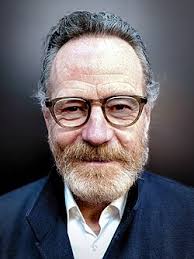
Introduction: Why Bryan Cranston Matters
Bryan Cranston is one of the most recognised actors of his generation. Best known for his breakthrough television role as Walter White in the critically acclaimed drama Breaking Bad and for playing the comically exasperated father Hal in Malcolm in the Middle, Cranston’s career illustrates a rare range across comedy, drama and stage work. His trajectory is relevant to readers interested in television history, acting craft and the shifting landscape of prestige TV.
Main body: Career highlights and contributions
Born on 7 March 1956, Cranston worked steadily for many years in television and film before achieving global recognition. His portrayal of Walter White — a high‑school chemistry teacher turned methamphetamine manufacturer — became a cultural touchstone, often cited in discussions about antiheroes, storytelling craft and television’s golden age. The role earned him wide critical praise and brought attention to the creative possibilities of long‑form television drama.
Earlier in his career Cranston displayed notable comedic timing as Hal in the family sitcom Malcolm in the Middle, demonstrating his versatility by moving between broad comedy and intense drama. Beyond television, he has maintained an active presence on stage and screen, taking on challenging theatrical roles and participating in film projects where his character work is often highlighted by reviewers.
Across mediums Cranston has received major industry recognition, including awards for his stage and screen work. He has also taken on directing and producing duties, contributing behind the camera as well as in front of it. His career path is frequently referenced in discussions about actors who successfully reinvent themselves and about the crossover between television prestige and theatrical performance.
Conclusion: Legacy and what to expect
Cranston’s impact extends beyond individual performances: he has influenced how complex protagonists are written and performed on television and inspired a younger generation of actors to pursue diverse roles. For readers, his career offers a case study in longevity, adaptability and artistic reinvention. As he continues to work across film, television and theatre, Cranston remains a figure whose projects are closely watched for both performance quality and cultural resonance.


