Bruce Forsyth: A Career in British Entertainment
Introduction
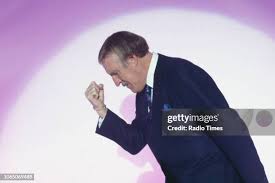
Bruce Forsyth remains one of the United Kingdom’s most recognisable television personalities. Known affectionately as “Brucie”, Sir Bruce Joseph Forsyth-Johnson (22 February 1928 – 18 August 2017) built a career that spanned over 75 years. His longevity and frequent hosting duties made him a central figure in British variety and game-show entertainment, and his life and work continue to be referenced in discussions of UK television history.
Main body
Career and notable programmes
Forsyth achieved national recognition as the host of Sunday Night at the London Palladium, becoming a household name through variety television. Over decades he fronted numerous programmes, including The Bruce Forsyth Show (1965–1973), Forsyth’s Big Night (1978) and Forsyth’s Hot Streak (1986). He also presented specials such as Audience with Bruce Forsyth in 1997. His prolific hosting led some commentators to regard him as the United Kingdom’s version of Bill Cullen, reflecting the breadth of his duties across entertainment formats.
Records and public profile
Across stage, radio and television, Forsyth’s career was notable for its duration and diversity. Media references noted milestones such as a reported television career world record. He worked as a dancer, comedian, singer, actor and musician as well as a presenter, consistently returning to mainstream television and live performance through changing eras of British entertainment.
Tributes following his death
Forsyth’s death in August 2017 prompted widespread public and professional tributes. Several celebrities and figures paid tribute, including Tess Daly, Michael Parkinson, Jimmy Tarbuck and Des O’Connor, alongside comments from the BBC director general Tony Hall and the then Prime Minister, Theresa May. In tribute, BBC One aired Bruce Forsyth – Mr Entertainment in place of the scheduled One Show, underlining his cultural significance.
Conclusion
Bruce Forsyth’s career encapsulates a large part of 20th- and early 21st-century British entertainment. For readers, his story is a reminder of the role of versatile presenters in shaping popular television. His extensive list of shows and the formal and informal tributes after his passing highlight a lasting public legacy in UK broadcasting.