Board of Peace to Oversee Gaza Administration and Stabilisation
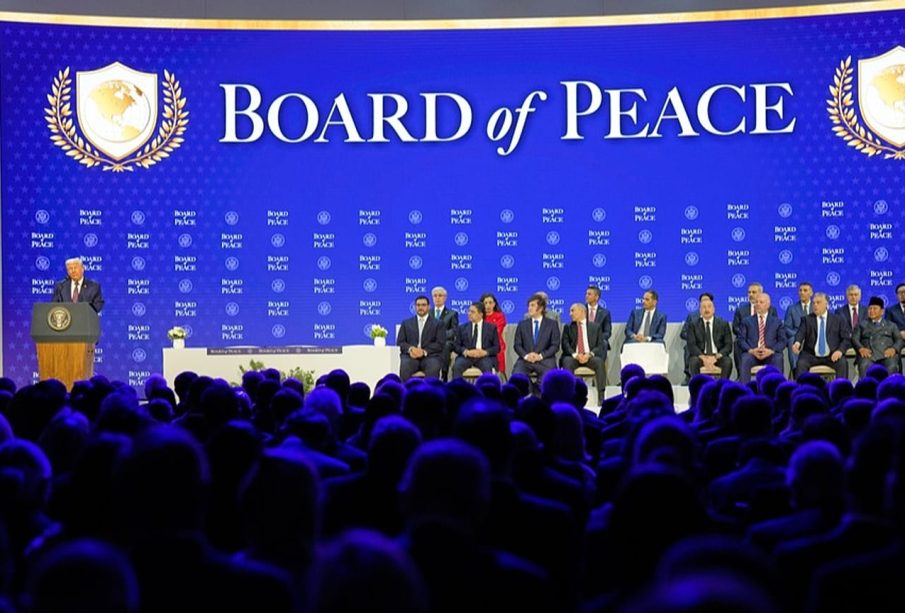
Introduction: Why the Board of Peace matters
The board of peace has emerged as a central element in international efforts to stabilise the Gaza Strip after the 2025 Gaza War. Its creation responds to urgent humanitarian, security and governance challenges: coordinating reconstruction, re-establishing civil administration and enabling a secure environment for recovery. Given the scale of destruction and the political sensitivity of the region, the board’s mandate and the deployment of an International Stabilisation Force (ISF) have immediate relevance for regional stability and for communities inside Gaza.
Main body: Mandate, composition and actions
Mandate under United Nations Resolution 2803
According to published sources, the board of peace is an international transitional body mandated by United Nations Security Council Resolution 2803, adopted in November 2025. The resolution authorised an international role to support the administration, reconstruction and economic recovery of the Gaza Strip and authorised deployment of a multinational International Stabilisation Force to assist security and public order.
Origins and responsibilities
Sources report that the board was proposed in October 2025 in the context of ceasefire arrangements and subsequently endorsed by the Security Council. Encyclopaedia Britannica states the Board of Peace was created to oversee the October 2025 ceasefire in the Israel–Hamas conflict, with responsibilities that include supporting disarmament efforts, overseeing the ISF deployment and assisting in the development of a new Palestinian police force.
Coordination with other bodies
Statements from political offices indicate the board will work alongside a National Committee for the Administration of Gaza (NCAG) and an Office of the High Representative. A Gaza Executive Board is also being established to support governance and service delivery during the transition. Senior political figures have emphasised the board’s role in mobilising international resources and ensuring accountability in implementing reconstruction plans.
Conclusion: Significance and outlook
The board of peace represents a significant international attempt to manage a complex post-conflict transition in Gaza. Its success will depend on clear coordination with the NCAG and ISF, the cooperation of local and regional actors, and sustained international funding. If effectively implemented, the board could help restore services, improve security and lay groundwork for longer-term recovery; however, progress will hinge on political will and operational capacity on the ground.





