Biathlon: How the sport works and what to expect at the 2026 Olympics
Introduction: Why biathlon matters
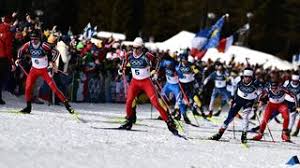
Biathlon — the winter sport that combines cross‑country skiing with rifle shooting — is a high‑intensity, tactical contest that draws large television audiences across Europe and growing interest worldwide. Its blend of endurance, precision and psychological control makes it relevant both as a competitive spectacle and as a barometer of winter‑sport development ahead of the 2026 Milan–Cortina Winter Olympics.
Main body: Origins, formats and current context
Origins and growth
Rooted in Nordic military patrol exercises, biathlon developed into a formal sport during the 20th century and has been part of the Winter Olympic Games since 1960. The International Biathlon Union (IBU) organises an annual World Cup circuit and World Championships, which set the international calendar and competitive standards.
Event formats and rules
Typical biathlon events include the individual, sprint, pursuit, mass start and relay. Distances vary by gender and event (for example, the individual race is usually 20 km for men and 15 km for women). Competitors alternate skiing laps with shooting bouts at targets 50 metres away using .22 calibre rifles. Missed targets incur penalties: either a 150‑metre penalty loop or a time penalty (commonly one minute in individual races).
Why biathlon is compelling
The sport rewards a rare combination of aerobic power and calm under pressure. Athletes must ski at near‑maximal speeds, then reduce heart rate and breathing sufficiently to hit targets at close range. This polar contrast creates dramatic moments — sprint finishes, clean shooting under duress, and tactical relay exchanges — that resonate with both specialist and general audiences.
Contemporary issues
Biathlon faces operational challenges common to winter sports: dependence on reliable snow, the cost and environmental impact of artificial snowmaking, and the need to broaden its global base. National federations and the IBU are working to balance elite competition with sustainability and development initiatives.
Conclusion: Outlook and significance for readers
With Milan–Cortina 2026 on the horizon, biathlon remains a flagship Winter Olympic discipline that will test athletes’ fitness and composure on a world stage. For readers, upcoming World Cup seasons and trial events will indicate form and favourites; for the sport, innovations in sustainability and broadcasting will shape its appeal to new audiences. Spectators can expect close, tactical racing and continued technological and organisational efforts to keep the sport competitive and accessible.


