Battersea Power Station: From Landmark to Redeveloped Riverside Quarter
Introduction: Why Battersea Power Station matters
Battersea Power Station is one of London’s most recognisable landmarks and a long-running example of industrial heritage repurposed for 21st-century city life. The redevelopment of Battersea Power Station is important because it combines conservation of a Grade II* listed building with large-scale urban regeneration along the Thames, bringing new homes, jobs, transport connections and leisure facilities to south-west London.
Main body: The redevelopment and current facts
Heritage and design
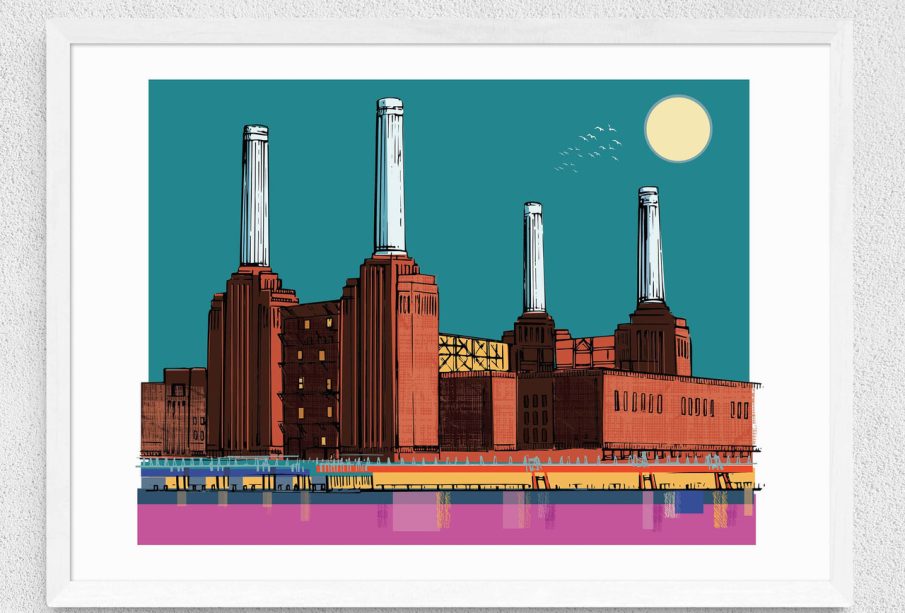
The original coal‑fired power station, noted for its four chimneys and the work of architect Sir Giles Gilbert Scott, ceased generating electricity in the early 1980s. The shell of the building is Grade II* listed, and the redevelopment has focused on restoring the exterior while adapting internal spaces for contemporary use.
Redevelopment programme
A Malaysian‑led consortium acquired the site in 2012 and progressed a phased redevelopment that has transformed the area into a mixed‑use riverside quarter. The project combines residential apartments, office space, shops, restaurants and cultural venues. New public realm and riverfront improvements sit alongside the conservation-led restoration of the power station itself.
Transport and accessibility
Transport links have been a central element of the redevelopment. The Northern line extension, which includes a new Battersea Power Station Underground station, has improved connections to central London and contributed to the site’s appeal for businesses and visitors. Improved pedestrian and cycling routes along the Thames have also been introduced.
Community, economy and debate
The scheme has created jobs in construction, retail and services and increased visitor footfall, but it has also generated debate over affordable housing delivery, the balance between commercial space and local amenity, and the management of a historic site in private ownership.
Conclusion: Significance and outlook
Battersea Power Station now functions as a high‑profile example of how historic industrial architecture can be integrated into contemporary urban life. For residents and visitors it offers new housing, leisure and workplace opportunities; for London it represents both regeneration and the challenges of delivering inclusive development. Looking ahead, the long‑term success of Battersea Power Station will depend on how the site balances commercial activity with affordable housing, public access and the ongoing stewardship of its architectural heritage.

