Backworth: History and Location of the North Tyneside Village
Introduction
Backworth is a village whose industrial past and geographic position make it a notable locality within North Tyneside, Tyne and Wear. Understanding Backworth matters for readers interested in the North East of England’s industrial heritage, transport history and the evolution of former mining communities. The village’s ties to coal mining, brickmaking and historic railway links reflect broader patterns of 19th- and 20th-century development in the region.
Main body
Location and administrative context
Backworth lies in the metropolitan borough of North Tyneside in the county of Tyne and Wear, England. It is situated approximately 3½ miles (6 km) west of Whitley Bay. Historical records also place Backworth—sometimes recorded as Blackworth—within Earsdon parish in historic Northumberland, and note its location on the Morpeth and Tynemouth railway, about 4½ miles north-west of North Shields. These descriptions underline Backworth’s position within the coastal and urban landscape of the Tyneside area.
Industrial heritage
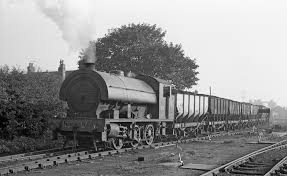
Across the 19th century and much of the 20th century Backworth was a centre of coal mining. Mining activity shaped the village’s economy, settlement patterns and local identity during the industrial period. In addition to coal, brickmaking also took place close to the village; sources record brickmaking activity just to the north of Backworth. Together, these industries placed Backworth within the wider industrial network of North East England, which included collieries, brickworks and the transport links that served them.
Transport and historical references
Historical accounts reference the Morpeth and Tynemouth railway in relation to Backworth, indicating the village’s connections to regional rail routes that supported both passenger movement and industrial freight during the height of local mining and manufacturing. The variation in historical naming—Backworth or Blackworth—and its ties to Earsdon parish reflect changes in administrative boundaries and local nomenclature over time.
Conclusion
Backworth’s documented location in North Tyneside, its coal-mining and brickmaking past, and its historic railway connections together offer a concise picture of a village shaped by the industrial era. For readers, Backworth illustrates the local dimensions of broader regional developments in Tyne and Wear and historic Northumberland. The village remains a point of interest for those studying industrial heritage and the changing landscapes of former mining communities.
