B1 Bomber — B-1B Lancer Capabilities and Service
Introduction: Why the B1 bomber matters
The B1 bomber, formally the B-1B Lancer and nicknamed the “Bone”, remains a central asset in the United States Air Force’s long‑range strike capability. In service since 1985 and transitioned to an exclusively conventional role in the mid‑1990s, the B-1B combines speed, payload and survivability to deliver high‑volume precision effects. Ongoing modernisation and sustainment programmes aim to keep the fleet mission capable through 2040 and beyond, making the aircraft relevant to current and future operational demands.
Main body: Design, capabilities and service history
Design and performance
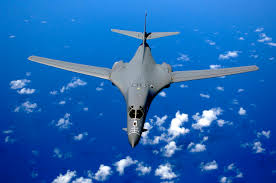
The B-1B is a supersonic, variable‑sweep wing heavy bomber with a blended wing/body configuration and turbofan afterburning engines. These features, together with variable‑geometry wings, give it long range, manoeuvrability and high speed; it is described as the fastest bomber in the USAF inventory and is built for rapid long‑range response. The aircraft can carry up to 75,000 pounds (34,019 kilograms) of mixed ordnance and mission equipment, the largest payload of both guided and unguided weapons in the Air Force inventory.
Survivability and systems
Survivability is supported by an integrated suite of defensive systems: an onboard electronic jamming suite, the ALQ‑161 radar warning receiver, expendable countermeasures (chaff and flare) and a towed decoy system (ALE‑50). Combined with a low radar cross‑section and an effective radar targeting system, these systems enhance the B-1B’s ability to penetrate contested airspace and loiter for extended periods as part of joint strike operations.
Modernisation and fleet management
Boeing partners with the Air Force on sustainment and modernisation efforts, including upgrades such as the Boeing Integrated Battle Station to keep the platform operationally relevant. In the early 2000s the USAF adjusted fleet size for budgetary reasons, retiring 33 aircraft in 2003 and later returning seven mothballed airframes to service to bring the fleet to 67 aircraft. The type has also been tested for expanded roles, including maritime and anti‑ship missions and modular weapons pylon demonstrations.
Operational record
The B-1B has repeatedly demonstrated its combat value: six B-1s in Operation Allied Force delivered more than 20 per cent of total ordnance while flying under 2 per cent of sorties, and eight B-1s in the first six months of Operation Enduring Freedom dropped nearly 40 per cent of coalition tonnage during that period.
Conclusion: Significance and outlook
The B1 bomber remains a backbone of long‑range conventional strike for the USAF thanks to its unique combination of speed, payload and survivability. Continued upgrades and sustainment aim to preserve its operational tempo through 2040 and beyond, ensuring the B-1B can continue to provide decisive strike effects in evolving conflict environments.


