B-1 Lancer (b1 bomber): Capabilities, History and Future
Introduction: Why the b1 bomber matters
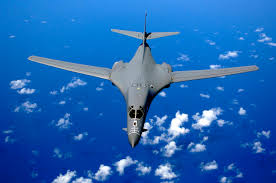
The B-1 Lancer, commonly referred to as the “Bone”, is a long-range, multi-mission bomber that has been a key element of United States Air Force capability since the mid-1980s. Its combination of speed, large payload capacity and variable-sweep wings makes it relevant for high-volume precision strike and rapid long-range response. Ongoing sustainment and modernisation work aim to keep the b1 bomber operationally relevant through 2040 and beyond, underscoring its strategic importance.
Main body: Design, role and recent developments
Design and performance
The B-1 is a supersonic, variable-sweep wing heavy bomber powered by four turbofan engines. Designed for low-level penetration of radar defences, the aircraft can operate at low altitudes — with wings fully swept back it can descend to around 200 feet (60 metres) and sustain speeds near Mach 0.9 (approximately 670 mph or 1,080 km/h). Boeing describes the B-1B as the fastest bomber in the USAF inventory and built for rapid, long-range response.
Payload and mission
The b1 bomber can carry a substantial mixed load of ordnance and mission equipment, with capacity figures cited at up to 75,000 pounds (34,019 kilograms). Originally developed with nuclear capability in its earlier variants, the B-1B transitioned to an exclusively conventional role in the mid-1990s and continues to deliver high-volume precision strike effects.
Service history and fleet management
The platform first flew in the mid-1980s and entered service in the same period. Over its service life the fleet has undergone drawdowns and returns to service: after a period of retirements the USAF returned several mothballed aircraft to increase the fleet to 67 aircraft in the early 2000s. Tests and demonstrations have explored expanded roles, including maritime and anti-ship missions, and integration of modular weapons pylons.
Modernisation and sustainment
Boeing and the Air Force continue upgrades and sustainment efforts to maintain fleet readiness. Recent milestones include deliveries of B-1s equipped with integrated battle stations and ongoing modernisation programmes intended to keep the aircraft mission-capable at demanding tempos.
Conclusion: Outlook and significance
The b1 bomber remains a versatile, high-capacity element of US strike aviation. With focused sustainment and modernisation, the B-1B is positioned to continue contributing to conventional strike operations and rapid long-range response through 2040 and beyond. For readers, the platform illustrates how legacy aircraft can be adapted to current requirements through targeted upgrades and evolving mission sets.