Andy Burnham blocked from Gorton and Denton selection
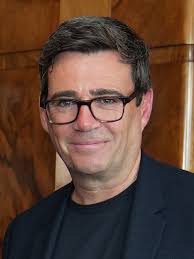
Introduction: Why Andy Burnham’s bid matters
Andy Burnham is one of Labour’s most recognisable and electorally successful figures. His career — from election as MP for Leigh in 2001 and ministerial roles at the Home Office, Department of Health and the Treasury, to serving in senior shadow posts — has made him a prominent voice in national politics. Recent events around his attempt to stand in the Gorton and Denton by-election have attracted attention because they touch on questions of party authority, internal democracy and the relationship between local and national Labour structures.
Main body: Key events and facts
Political background
Burnham was appointed Shadow Secretary of State for Education and election co‑ordinator for the Labour Party in October 2010. After being selected as Labour’s candidate for the new Greater Manchester Mayoralty, he stood down as Shadow Home Secretary in 2016 and left the House of Commons at the 2017 general election to serve as Mayor of Greater Manchester. He has since been elected and then re‑elected as Greater Manchester’s mayor, winning his most recent contest with a landslide.
Application and NEC decision
On 24 January 2026 Burnham applied to stand as Labour’s candidate in the Gorton and Denton by‑election. The following day, on 25 January 2026, the party’s National Executive Committee (NEC) voted 8–1 to block his application. The decision included the support of the party leadership and was widely reported as a rare move to prevent a high‑profile figure from seeking selection. Reports note that one senior Labour figure, deputy leader Lucy Powell, was an explicit supporter of Burnham’s right to stand, underscoring internal divisions over the issue.
Conclusion: Significance and likely implications
The NEC’s decision to block Andy Burnham highlights tensions within Labour about control over candidate selection and the balance between national strategy and local choice. For Burnham personally, the episode curtails an immediate return to Westminster and reinforces his role in regional politics as Greater Manchester’s mayor. For the party, it raises questions about how leadership will manage high‑profile figures and internal dissent ahead of future contests. Observers will watch whether the decision affects local morale, selection processes for other vacancies, or wider perceptions of how Labour interprets internal democracy and political risk.


