An Insight into Shotton Colliery’s Historical and Current Significance
Introduction to Shotton Colliery
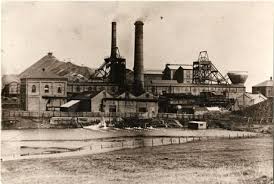
Shotton Colliery, located in County Durham, England, holds a significant place in the rich tapestry of British industrial history. Originally a mining village, Shotton Colliery’s development was closely linked to coal mining, which was the backbone of the local economy and community for over a century. Today, the site stands as a reminder of the region’s industrial heritage and its evolving landscape.
The Historical Significance
The collieries in the region were pivotal during the Industrial Revolution, which transformed the area into a thriving hub for coal production. Shotton Colliery itself began operation in the late 19th century, initially known for its deep coal extraction techniques. The village expanded rapidly as miners flocked to the area, leading to the establishment of various amenities, schools, and churches. By the mid-20th century, Shotton Colliery was recognised as a key contributor to Britain’s coal output, employing thousands of workers.
Closure and Transition
However, the decline of coal mining in the UK became evident in the latter part of the 20th century due to various factors, including economic shifts and the push for cleaner energy alternatives. Shotton Colliery faced closure in 1991, like many others, leading to economic challenges and demographic changes within the village. In the years that followed, the area began to adapt, transitioning from its mining roots to other forms of employment, with some former mining lands being repurposed for different types of development, including housing and commercial projects.
Modern Developments and Community Resilience
As of 2023, Shotton Colliery is redefining itself. The village is now focusing on community projects that aim to revitalise the local economy and improve residents’ quality of life. Initiatives including community gardens, local business support schemes, and heritage projects are being implemented to encourage community involvement and foster local pride. Moreover, Shotton Colliery has become a focus for discussions on sustainable development, addressing concerns about the future of rural communities across England.
Conclusion
Shotton Colliery represents a microcosm of the broader changes occurring in post-industrial Britain. As the village moves forward, it highlights the importance of resilience and adaptation in the face of change. For residents and visitors alike, understanding Shotton Colliery’s historical context provides invaluable insights into its identity and future prospects. The ongoing efforts towards community engagement and sustainable development offer a hopeful vision for revitalising the area, ensuring that Shotton Colliery remains an integral part of County Durham’s narrative.