Alex Honnold’s Free Solo Legacy and Public Impact
Introduction
Alex Honnold is one of the most recognisable figures in modern climbing. His high-profile free solo ascent of El Capitan in Yosemite brought unprecedented public attention to the sport, raising questions about risk, media responsibility and the wider social responsibilities of elite athletes. The topic remains relevant as climbing grows in popularity and as athletes increasingly speak out on environmental and social issues.
Main body
El Capitan free solo and film
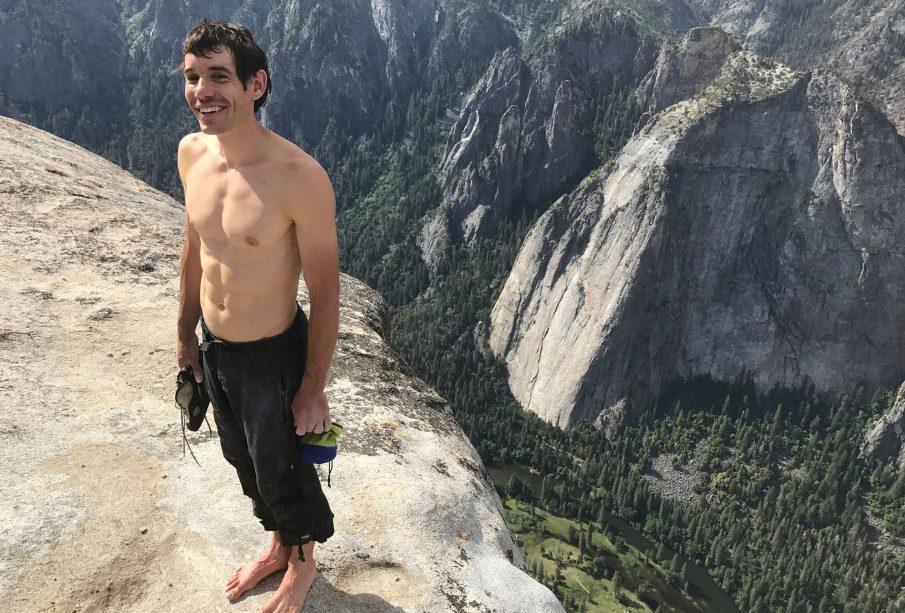
On 3 June 2017 Alex Honnold completed a free solo ascent of the Freerider route on El Capitan, a 3,000-foot granite wall. Free soloing — climbing without ropes or protective gear — amplified the ascent’s technical and psychological difficulty. The achievement was documented in the 2018 film “Free Solo,” directed by Elizabeth Chai Vasarhelyi and Jimmy Chin. The documentary won the Academy Award for Best Documentary Feature in 2019, extending the ascent’s reach beyond climbing communities and into mainstream discourse.
Background and approach
Born in 1985 in Sacramento, California, Honnold developed an early passion for rock climbing. He studied civil engineering at the University of California, Berkeley, graduating in 2007, and built a reputation for disciplined preparation, meticulous route study and an unusually calm demeanour under pressure. These traits, observers note, underpin his capability to perform high-risk climbs safely — though the inherent danger of free soloing remains considerable.
Philanthropy and public engagement
Beyond climbing, Alex Honnold is known for his philanthropic work. He founded the Honnold Foundation to promote solar energy and increase access to sustainable power for underserved communities. The foundation has supported projects that link environmental advocacy with practical social benefits, reflecting a broader trend of athletes using their platforms for charitable and policy-related work.
Conclusion
Alex Honnold’s ascent of El Capitan and subsequent public profile have had a lasting impact on sport climbing, media coverage of high-risk endeavours and athlete-led philanthropy. Looking ahead, his legacy is likely to influence debates on safety standards, the portrayal of extreme sports in popular media and the role of athletes in promoting environmental solutions. For readers, Honnold’s story underscores both the human drive for extraordinary achievement and the potential to channel public attention toward collective causes.


