A Practical Guide to Fantasy Football
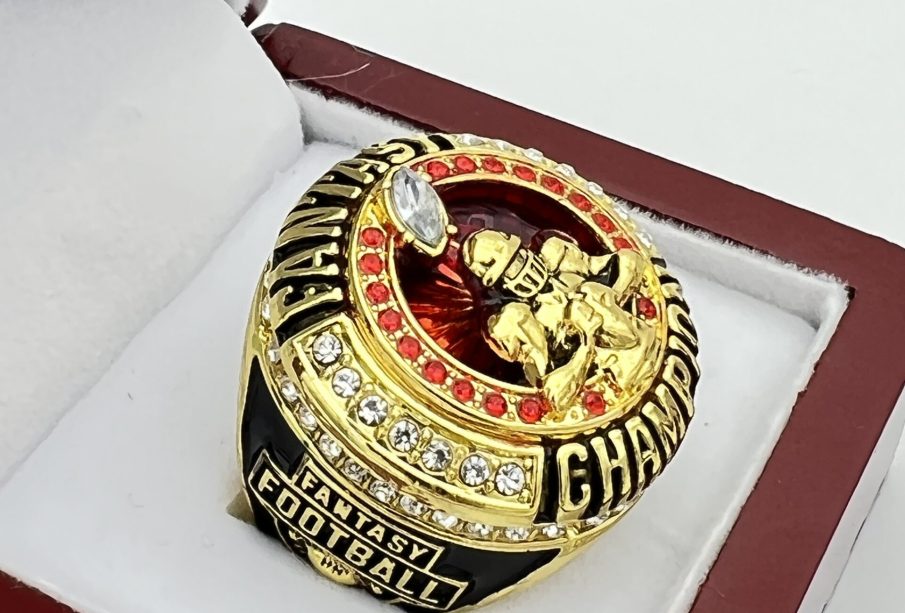
Introduction: Why fantasy football matters
Fantasy football is a popular pastime that lets sports fans manage virtual teams built from real players. It blends knowledge of the sport with strategic decision-making and social competition. For many supporters, fantasy football increases engagement with fixtures and statistics, turning routine matchdays into events with personal stakes. Its relevance spans casual players who join workplace leagues to dedicated managers tracking player form and transfers.
Main body: How fantasy football works and common formats
Basic mechanics
Participants select a squad of real-world players within a budget or draft system. Teams score points based on player performances in actual matches—goals, assists, clean sheets, tackles or other metrics depending on the sport and platform. Managers set starting line-ups and make transfers or trades across the season or between match rounds.
Popular formats
Two main formats are season-long and daily/weekly contests. Season-long leagues run across an entire season, rewarding long-term planning, squad depth and consistency. Daily or weekly contests focus on short-term results and are common where single fixtures or rounds determine the outcome. Draft leagues, head-to-head matchups and salary-cap competitions are additional variants offering different strategic challenges.
Platforms and communities
Many official and third-party platforms host fantasy football games tied to professional leagues. These platforms often provide tools, statistics and community features such as private leagues, message boards and prize structures. The communal aspect—competing with friends, colleagues or strangers—remains a core attraction.
Conclusion: Significance and what to expect
Fantasy football enhances fan engagement and encourages learning about tactics, player form and fixture planning. New players should start with a single format, use available statistics and treat the game as entertainment rather than investment. For regular participants, fantasy football can sharpen analytical skills and add excitement to every match. Looking ahead, continued improvements in data analytics and platform features are likely to make fantasy competitions more personalised and accessible, further growing their appeal to a broad audience.

