William, Prince of Wales: Public Duties, Charities and Future Role
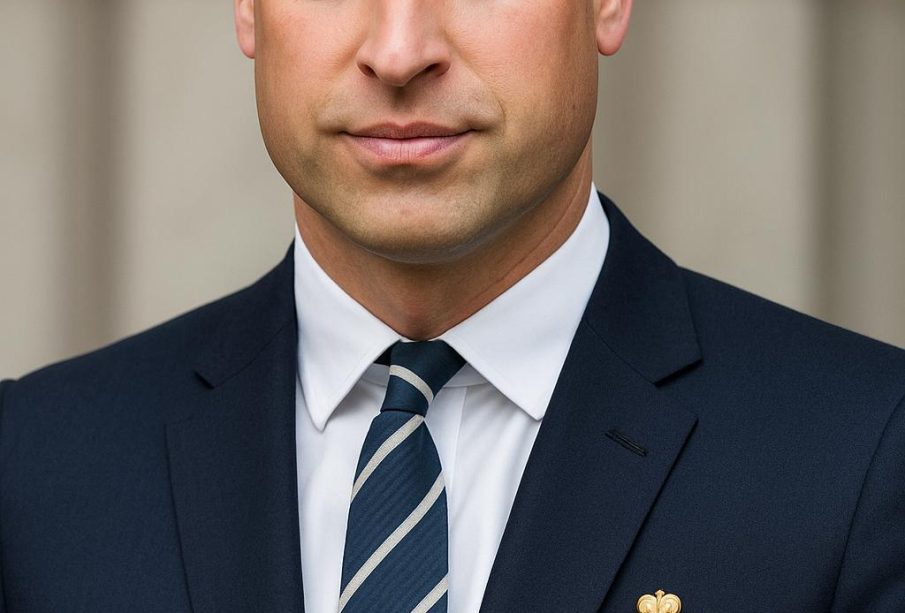
Introduction: Why William, Prince of Wales matters
As heir apparent to the British throne, William, Prince of Wales occupies a position of national and international interest. His public duties, charitable work and personal profile influence public debate on mental health, conservation and the modern monarchy. Understanding his role and priorities helps readers gauge potential future directions for the royal household and the causes he champions.
Main body: Duties, initiatives and public profile
Official role and public duties
William became Prince of Wales following the accession of his father, King Charles III, and undertakes a programme of official engagements across the United Kingdom and overseas. His responsibilities include representing the monarch at state and ceremonial events, meeting community groups and public organisations, and supporting government and civic initiatives. He balances public-facing duties with family life; he is married to Catherine, Princess of Wales, and is a father to three children.
Charitable work and policy priorities
Much of William’s public profile is built around long-term charitable commitments. Mental health advocacy has been a prominent theme: he has backed campaigns to improve access to mental health support and to reduce stigma. Environmental conservation and climate action are also central to his interests, notably through initiatives that seek practical solutions to biodiversity loss and sustainable practices. William has supported younger generations’ opportunities and wellbeing through education and youth-focused projects, often working in partnership with independent charities and the Royal Foundation.
Background and public perception
Educated in the UK and a former serviceman, William combines ceremonial duties with hands-on project work. His time in the armed forces and later public engagements have shaped a pragmatic, service-focused image. Public interest in his activities remains high, reflecting both his position in the line of succession and the broader debate about the monarchy’s role in contemporary society.
Conclusion: Significance and outlook for readers
William, Prince of Wales is likely to remain a central figure in public life as he prepares for future responsibilities. His sustained focus on mental health, conservation and youth issues will continue to shape the charitable agenda associated with the royal family. For readers, monitoring his initiatives offers insight into evolving priorities within the monarchy and the social issues that resonate with the public.





