Castle Howard: North Yorkshire’s Storied Stately Home
Introduction: Why Castle Howard Matters
Castle Howard is one of the United Kingdom’s best‑known stately homes, valued for its architecture, family legacy and role in British cultural life. Located in North Yorkshire, the estate combines grand house, extensive grounds and a long history of public access and conservation. For readers interested in heritage, tourism or regional economy, Castle Howard remains a relevant example of how historic houses adapt to contemporary demands.
Main body: History, features and present role
Architecture and family heritage
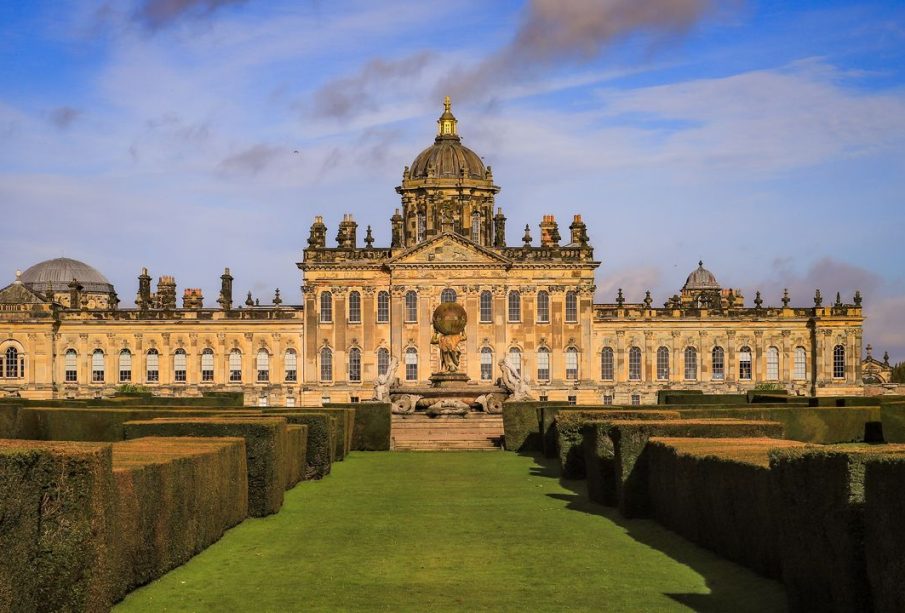
Commissioned in the late 17th century, Castle Howard was created as a country seat for the Howard family and has remained their home for more than three centuries. The house is recognised for its baroque style and distinctive massing, the result of work by prominent architects of the period. Its interiors house a long family collection of paintings, furniture and artefacts that reflect generations of custodianship.
Gardens and landscape
The estate’s gardens and parkland have evolved across centuries, with formal gardens, woodland walks and ornamental features that attract visitors year‑round. The designed landscapes are integral to the site’s visitor experience and conservation priorities, balancing historic preservation with public access and environmental management.
Cultural significance and public engagement
Castle Howard has been a popular location for film and television, most notably as the setting for adaptations of Evelyn Waugh’s Brideshead Revisited, a role that has boosted cultural tourism. The house operates as a public attraction offering guided tours, exhibitions, seasonal events and educational programmes. These activities support local employment and regional tourism while raising funds for ongoing maintenance and conservation.
Conclusion: Outlook and significance for readers
As a Grade‑listed historic estate and active family home, Castle Howard illustrates the challenges and opportunities facing large heritage properties: conserving fabric and collections, engaging modern audiences and sustaining finances through visitor services and cultural programming. For readers, the estate offers both a window into Britain’s architectural past and a practical example of living heritage management. Looking ahead, Castle Howard’s continued public role and adaptive programming will be central to its preservation and to the wider health of heritage tourism in the region.





